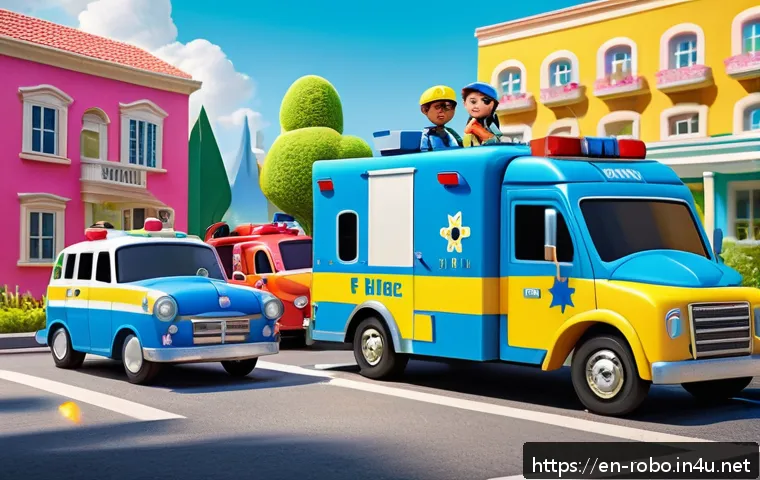
Robocar Poli can introduce preschoolers to universal themes such as safety, cooperation, and community care. Learn how parents and educators can use episodes, activities, and media choices to encourage cultural curiosity responsibly.
Robocar Poli can support early cultural curiosity when adults use its rescue stories to discuss helping, safety, teamwork, and community life. It should be a conversation starter, not a stand-alone lesson about any real country or culture.
The fictional setting of Broomstown gives preschoolers familiar situations they can compare with their own neighborhoods. Parents and educators can extend viewing with simple questions, books, maps, music, and family stories.
When choosing a children’s streaming subscription, check language tracks, captions, parental controls, and the available episode catalog in your region.
Official learning resources may also be useful for groups, but classroom permissions and terms should always be checked first. The goal is respectful curiosity, not memorizing cultural facts.
At a Glance
- Robocar Poli uses rescue stories to explore safety, cooperation, problem-solving, and community responsibility.
- For cultural learning, the most useful part is the adult-led conversation and follow-up activity, not passive viewing alone.
- Streaming availability, language settings, catalogs, and parental-control tools vary by platform and region.
| Decision Area | What to Compare | Why It Matters |
|---|---|---|
| Streaming access | Current catalog and regional availability | A service may not offer the same episodes in every location. |
| Language options | Audio tracks, captions, and subtitle settings | These features can support language awareness and shared viewing. |
| Child safety tools | Kids profiles, parental controls, and advertising settings | Families need an age-appropriate viewing environment. |
| Learning materials | Official resources, classroom permissions, and activity fit | Group settings may need clearer usage terms and guided activities. |
What Preschoolers Can Learn From Rescue Stories Across Cultures
Universal lessons: helping others, safety, teamwork, and community care
Robocar Poli is an animated preschool series about a rescue team in the fictional community of Broomstown. Poli, Roy, Amber, and Helly respond to situations that commonly introduce helping others, safety awareness, teamwork, problem-solving, and care for the community.
These themes travel well across cultures because young children recognize them in daily life. A child may see helpers in a neighborhood, notice safe and unsafe choices near roads, or understand that friends can solve a problem together. The lesson does not need to claim that every community works the same way. Instead, adults can say, “Many places have people who help when someone needs support. What helpers do you see where we live?”
The useful cultural connection is the balance between similarities and respectful differences. Children can learn that communities may use different languages, vehicles, buildings, and routines while still valuing care, cooperation, and safety.
Why adult conversation matters more than passive viewing
A show can create a shared starting point, but it cannot explain culture by itself. Preschool media is most helpful when a parent, teacher, librarian, or caregiver adds context with short questions and a simple activity afterward.
Pause only when it feels natural. Ask, “What problem did the team notice?” “Who helped?” or “What could people in another neighborhood do in a similar situation?” Keep the answers open. There is no need to turn one episode into a quiz or overload children with details.
A simple rule: use the story to invite curiosity, then connect it to real people and real everyday life. Avoid presenting fictional Broomstown as an accurate picture of a particular place or culture.
Using Animated Episodes as a Starting Point for Global Curiosity
Ask open-ended questions about homes, helpers, transport, and neighborhoods
Young children often respond best to topics they already know. After watching, choose one familiar area: homes, community helpers, transport, parks, streets, or ways neighbors care for each other. Questions can stay very short:
- “What kinds of helpers are important in our community?”
- “How do people get around in different neighborhoods?”
- “What makes a street feel safe?”
- “How can friends help each other when something goes wrong?”
These questions work because they do not ask preschoolers to represent an entire country. They encourage children to notice daily routines and listen when classmates or family members share a different experience.
Connect fictional Broomstown to real communities without making assumptions
Broomstown is fictional. That gives adults room to make careful comparisons without treating the setting as a lesson about a real culture. You might use a map to show that communities exist in many places, then explain that neighborhoods can look different even within the same city or country.
If a family member, guest, or child wants to share a real-life story, let that person speak for their own experience. Avoid statements such as “people from this place always live this way” or “all children there use this kind of transport.” One person’s story is valuable, but it does not define everyone.
Compare Viewing Options for Families and Classrooms
Streaming subscription features: profiles, parental controls, captions, and language tracks
A children’s streaming subscription is not just about whether a title appears in search results. Before subscribing or renewing, compare the features that affect everyday viewing. Check whether the service offers a dedicated child profile, adjustable parental controls, captions, subtitle options, and available audio languages.
For cultural exchange activities, language tracks and captions can be useful discussion tools. A child may notice that the same story can be heard in another language, even if they do not understand every word. However, language settings should be checked directly on the platform because they can differ by region, device, and title.
Also review how recommendations and advertising settings work for child accounts. A calm, predictable viewing routine is usually more helpful than endlessly browsing for another episode.
When official educational resources or licensed classroom materials may be worth considering
Official educational resources may be worth exploring when an educator or group leader needs structured activities, printable materials, or clearer alignment with a planned theme. They can also be useful when several adults will lead the same activity and need a shared format.
That said, do not assume that a streaming subscription includes classroom-use rights. Licensing cost, commercial terms, and permission for group use require separate confirmation. For preschools, libraries, and community groups, review the official terms before showing episodes or distributing related materials.
A Simple Cultural Exchange Activity Plan After Watching
Choose one theme: emergency helpers, kindness, road safety, or teamwork
Pick one theme from the episode rather than trying to cover everything. For example, a teamwork activity can begin with children naming one way they help at home, in class, or on the playground. A road-safety discussion can focus on noticing safe choices in their own surroundings.
Pair the episode with books, maps, music, or family stories from different places
Use one follow-up item that adds a real-world voice. Read a picture book set in another community, look at a simple map, listen to music chosen by a family, or invite children to share a household routine. The purpose is not to compare which way is “better.” It is to notice that people can solve everyday needs in more than one respectful way.
A short plan can be enough: watch a selected segment, ask two questions, choose one real-world connection, and let children draw or talk about what they noticed. This approach keeps screen time connected to conversation.
Keep activities respectful and avoid costume-based cultural shortcuts
Cultural exchange does not need costumes, accents, or simplified symbols. Those shortcuts can turn real people into a theme rather than inviting genuine learning. Focus instead on daily life, family stories, languages, places, helpers, foods, music, and neighborhood routines when shared with care and context.
Common Mistakes When Teaching Culture Through Children’s Media
Assuming one show represents an entire country or culture
An animated series has its own fictional world, storytelling style, and characters. It should not be used as proof of how all people in a real place live. Say clearly that the show is fictional, then use real sources and personal stories carefully when expanding the conversation.
Overloading young children with facts instead of using familiar daily-life examples
Preschoolers do not need a long lesson after every episode. A familiar example is often enough: “Who helps keep our neighborhood safe?” or “How do we help a friend?” Start with what children can see and do.
Ignoring age ratings, advertising settings, and screen-time routines
Educational intent does not remove the need for supervision. Check the service’s child-profile settings, available controls, and viewing environment. Use a routine that leaves room for talking, moving, drawing, and playing after the screen is off.
Choosing a Platform and Learning Resources: Comparison Summary
Best criteria for home viewers
For home use, prioritize reliable child profiles, clear parental controls, available language settings, captions, and a catalog that fits your child’s interests. Check the title page and account settings before paying, since availability and features may change by region.
Best criteria for educators and group settings
For a classroom, library, or multicultural activity group, prioritize permission for the intended use, manageable access for staff, age-appropriate settings, and follow-up materials. A structured activity is often more valuable than simply adding another episode to group screen time.
Questions to check before paying for a subscription or licensed resource
Ask whether the needed episodes are currently available, whether audio and caption options match your goals, whether child controls are easy to manage, and whether group or classroom use is permitted. Check the official service or resource page for current details and terms before making a decision.
Closing Thoughts
Robocar Poli can be a friendly entry point for conversations about community care and cooperation. Its strongest value for global learning comes from what adults do around the episode: ask, listen, compare carefully, and connect stories to real life. Keep the discussion simple and respectful. A child does not need to learn every fact about the world to begin noticing that communities can be both different and connected.
Useful Things to Know
1. A fictional setting can support discussion, but it is not a factual guide to a real culture.
2. One open-ended question can be more useful than a long explanation.
3. Captions and language tracks may differ by platform, region, and device.
4. Real family stories should be welcomed without expecting anyone to speak for an entire culture.
5. A short drawing, map, or book activity can turn viewing into active learning.
Key Considerations
Robocar Poli availability, episode catalogs, language options, and parental-control features must be checked with the relevant streaming platform in your location. No individual learning outcome can be assumed from watching the series alone. For schools, libraries, or paid group programs, confirm official classroom-use permissions and licensing terms before using episodes or branded materials.
Frequently Asked Questions
Q1. Is Robocar Poli suitable for teaching preschoolers about different cultures?
A1. It can support cultural curiosity when it is used as a starting point for guided conversation. The series can introduce universal themes such as teamwork, safety, and helping others, but adults should avoid treating its fictional setting as a representation of any real culture.
Q2. What should parents look for when choosing a streaming service for educational children’s shows?
A2. Check current title availability, child profiles, parental controls, advertising settings, captions, subtitle choices, and language tracks. It is also helpful to consider whether the service makes it easy to choose a program and move into an off-screen activity afterward.
Q3. Can a preschool or library use Robocar Poli episodes in a classroom activity?
A3. It may depend on the platform’s terms and any separate licensing or classroom-use permissions. Do not assume that personal streaming access allows public, library, or classroom use. Review the official terms for the specific resource before planning the activity.