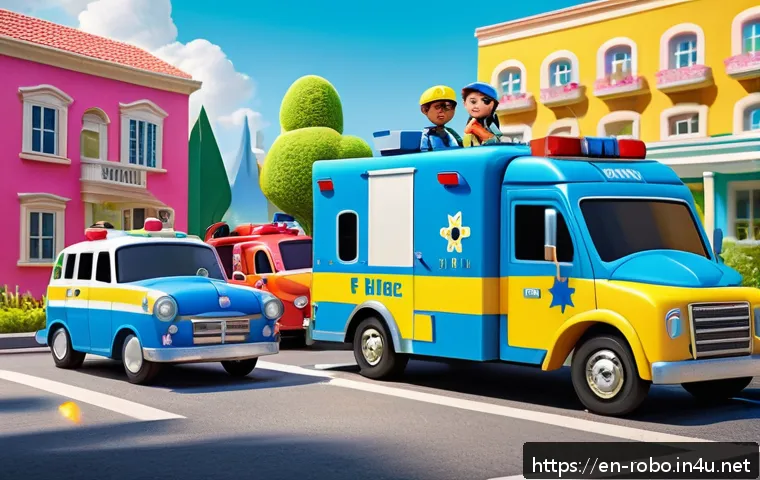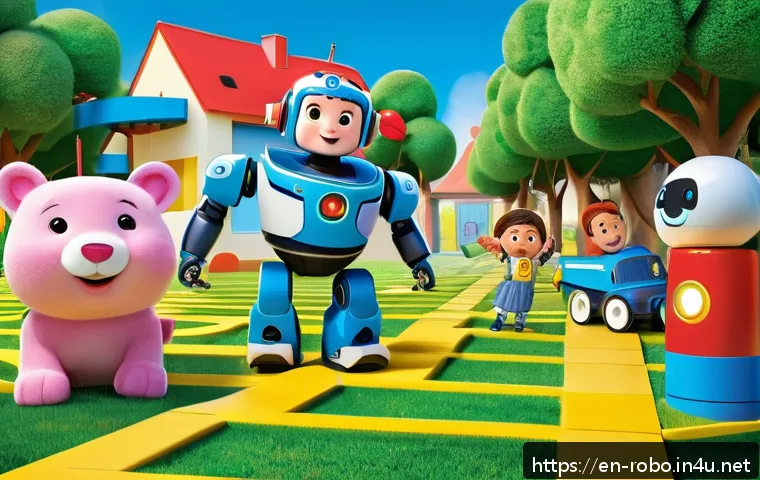
The most reliable Robocar Poli production insights come from official publisher communications, licensed media releases, verified production channels, and clearly identified event programming.
Before relying on an interview, verify who is speaking, where it was published, whether the full context is available, and whether any translation is complete.
Production commentary can help parents, educators, and animation fans understand the series’ safety themes and creative goals, but it does not automatically confirm episode availability or licensing rights.
Fan recaps can be useful starting points, yet they may simplify comments or add interpretation. If you are choosing a streaming service or educational resource, use official information to confirm regional access, captions, parental controls, and current licensing details.
A careful source check is more useful than a dramatic quote shared without context.
At a Glance
- Official production commentary is most likely to appear through publisher communications, licensed releases, verified production channels, or event programming.
- Check the speaker, original publication, date, and translation status before treating an interview quote as reliable.
- Behind-the-scenes insights can support family or classroom viewing decisions, but they do not confirm current streaming access or regional licensing.
| Source Type | Reliability | Context Available | Best Use |
|---|---|---|---|
| Official interview or verified production channel | Usually strongest when the speaker and publisher are clear | Often includes fuller comments, production context, or event details | Understanding creative goals, storytelling, and educational intentions |
| Press recap or media summary | Useful, but depends on attribution and editorial accuracy | May condense comments or omit surrounding questions | Finding key themes and locating the original source |
| Fan translation, recap, or short clip | Variable; interpretation and missing context are possible | Often limited to selected lines or short excerpts | Discovering discussion topics, not confirming claims on its own |
What a Reliable Production Interview Can Tell You
A credible Robocar Poli production interview can offer useful context about the franchise’s storytelling, character development, animation workflow, voice work, or educational goals. Since the series centers on rescue vehicles and community safety themes, production comments may help explain why certain situations, characters, or messages are presented in a particular way. This context can be helpful for adults deciding how to introduce episodes or discuss them afterward.
Still, an interview is not a complete guide to every episode. A creator’s general statement about safety, teamwork, or community responsibility should not be treated as confirmation of a specific episode plot, current streaming catalog, or product availability. Keep creative commentary separate from confirmed episode and licensing information.
The Fastest Way to Distinguish Creator Commentary From Promotional Copy
Start with attribution. A genuine interview should identify the speaker’s name, role, and relationship to the production. It should also make clear whether the material came from a publisher communication, licensed media release, event program, or verified production channel. Promotional copy may describe the series in broad positive language without showing who said it or when.
Look for a clear distinction between an interviewer’s wording and the production team’s own words. Statements such as “the show teaches safety” may be marketing language unless they are directly connected to a named interviewee or an official production statement. Named speaker plus traceable publication context is a stronger signal than an appealing summary.
What Behind-the-Scenes Details Can—and Cannot—Confirm
Behind-the-scenes details can help readers understand production choices. For example, commentary may discuss how stories are structured, how characters are developed, or how educational themes are considered during production. That can add depth for animation fans and give educators ideas for discussion prompts.
However, these details cannot reliably confirm whether a particular season is included with a family media subscription in your country. They also cannot prove that a quote remains representative of a production team’s current position. When the topic is access, captions, parental controls, or licensed educational materials, verify those details on the relevant official page before making a viewing or purchase decision.
Comparing Official Interviews, Fan Recaps, and Translated Clips
Each format can serve a different purpose. Official interviews are generally the best option for understanding what a production team actually said. Press summaries can save time, especially when they link back to the original material. Fan translations and recap posts can make hard-to-find material more accessible, but they require extra caution because context, tone, and wording may change.
A practical approach is to use a fan post as a lead, then search for an original publication or a fuller official version. If the original cannot be found, describe the material as an unverified fan translation or recap, not as a confirmed production statement.
Reliability Signals to Check Before Trusting a Quote
Use a short checklist before sharing or citing a quote:
- Speaker: Is the person named, and is their production role clearly stated?
- Source: Does the interview appear in an official, licensed, verified, or clearly attributed setting?
- Date: Is there enough information to know when it was published or recorded?
- Context: Can you see the full question, surrounding answer, or complete clip?
- Translation: Is it identified as official, or is it a fan interpretation that needs confirmation?
A quote without these basics may still be interesting, but it is not strong evidence for a classroom handout, research note, or parental viewing decision.
When a Short Video Clip Is Less Useful Than a Full Interview
Short clips are easy to share, but they can remove the question that prompted the answer. A brief line about a safety theme may sound definitive while the full conversation presents a more limited or nuanced point. Clips may also include subtitles that are incomplete, unofficial, or simplified.
A longer interview, transcript, or event discussion is usually more useful when you need to understand how a production team connects storytelling with educational goals. If only a short clip is available, treat it as a preview and avoid building major claims around it. Full context is more valuable than a memorable excerpt.
How to Verify Interview Sources and Avoid Misleading Claims
Verification does not need to be complicated. The goal is to confirm that the material is presented by an identifiable source and that the comments have not been separated from their original meaning. This is particularly important with children’s media, where parents and educators may use production statements to judge suitability or educational value.
When information is unclear, use careful wording. Say that a post “reports” or “summarizes” a statement rather than saying the production team “confirmed” it. That small distinction helps prevent an uncertain claim from becoming accepted as fact.
Check the Speaker, Publication Context, Date, and Translation
First, identify the interviewee. A production-related title alone is not enough if the role and approval status are unclear. Next, examine the publication context. Was the material presented as an interview, a promotional announcement, a convention appearance, or a repost of someone else’s content?
Then check the date. Older interviews can remain useful for historical production context, but they may not reflect current distribution arrangements or current product information. Finally, review the translation. An English version may be helpful, but if its source is not official, do not assume every phrase precisely matches the original language.
Common Mistakes: Copied Transcripts, Incomplete Quotes, and Outdated Information
Copied transcripts can spread quickly across fan pages, blogs, and social posts. Repetition does not make them official. A transcript may have missing sentences, altered wording, or no clear connection to an original recording. Check whether the text identifies its source and whether the complete material can be reviewed.
Another common mistake is treating an old platform listing as current. Episode availability, subscription access, and regional licensing can change. The same caution applies to related products and educational resources. Before paying for a streaming plan or ordering a licensed item, confirm the current details directly from the relevant provider or seller.
Using Production Insights for Family and Classroom Viewing
Production insights can make Robocar Poli more useful as a shared viewing experience. The franchise’s rescue-vehicle setting and community safety themes can give adults a natural starting point for talking about helping others, recognizing hazards, and asking for assistance. The value comes not only from the episode itself, but also from how the child responds to the situation and characters.
Do not assume every child will react in the same way. A rescue scenario may be engaging for one viewer and intense for another. Use the episode context, your child’s sensitivity, and your own viewing goals when choosing what to watch together.

Evaluating Safety Themes and Discussion Value
For parents and educators, focus on the message that can be discussed after viewing. Useful questions include: What problem did the characters notice? Who asked for help? What safe choice did the team make? What could someone do in a real community situation?
Keep the conversation practical and age-appropriate. The series may provide a broad introduction to community safety themes, but it should not replace local safety guidance or adult supervision. Use the story as a discussion prompt, not as a substitute for real-world instruction.
Matching Episode Choices to a Child’s Age and Sensitivity
Previewing an episode or reading an official description can help adults decide whether a particular rescue situation is a comfortable fit. Consider the level of urgency, the child’s response to danger-themed scenes, and whether an adult will be available to answer questions.
If you are using the series in a classroom or group setting, plan a simple follow-up activity rather than relying on assumptions about educational value. A brief discussion, drawing prompt, or teamwork question can help connect the story’s themes to the group’s own experiences.
When Licensed Platforms and Educational Resources Are Worth Considering
Licensed streaming access or educational viewing resources may be worth considering when they make it easier to watch appropriate content with clear access terms. The best choice depends on what matters most to your household, classroom, or research project. Availability can vary by country, platform, and licensing period, so no single option should be assumed to work everywhere.
For families, the practical benefits may include parental controls, caption options, reliable playback, and a clearer way to see what is currently available. For educators, licensed resources may offer more dependable usage information than an uploaded clip with an unknown origin.
Compare Access, Parental Controls, Captions, and Regional Availability
Before selecting a family streaming service, compare the features that affect your actual viewing experience. Check whether the service offers parental controls, whether captions are available in the needed language, and whether Robocar Poli is listed for your region. Also confirm whether access is included with the subscription or requires a separate purchase or rental.
For educational viewing resources, look for clear licensing descriptions and accurate program information. Avoid assuming that a product listing, subscription catalog, or media library record is permanent. Current availability should always be checked before planning a lesson or committing to a service.
Check Licensing and Product Details Before Paying or Subscribing
Before subscribing or purchasing related materials, review the official listing for what is included, where it can be accessed, and any applicable viewing conditions. Do not rely on screenshots, old blog posts, or comments from users in another country. These sources may not reflect your local catalog or current licensing period.
If you are considering a licensed educational resource, check whether it identifies the intended use, format, and current availability. This helps avoid paying for a resource that does not match your classroom, home viewing setup, or language needs.
Selection Criteria and Comparison Summary
Use these final checks when choosing an interview source, a viewing option, or an educational resource:
- Prefer a named production speaker and a traceable official or licensed publication context.
- Choose full interviews or complete statements over isolated clips and reposted quotes.
- Separate production commentary from episode facts, streaming availability, and licensing claims.
- For family viewing, compare parental controls, captions, and current regional access.
- For classroom use, confirm that the resource and its licensing details fit the intended setting.
For current access terms, caption options, subscription conditions, or licensed resource details, check the relevant official page before deciding.
Closing Thoughts
Robocar Poli production interviews can add meaningful context to a children’s series built around rescue vehicles and community safety themes. The strongest insights come from material with a clear speaker, original source, and complete context. Fan recaps and translated clips can be helpful discovery tools, but they should not be treated as final proof without verification. A little source checking makes family, classroom, and research decisions more dependable.
Useful Information
1. Save the original publication when you find a reliable interview, rather than relying on copied quotations.
2. Label fan translations clearly if you share them with others.
3. Recheck streaming catalogs and licensed product details close to the time you plan to watch, buy, or teach.
4. Use behind-the-scenes commentary to start conversations about themes, not to make claims the source does not support.
Important Notes
Official English availability of a full-length Robocar Poli production team interview may require verification. The identity, role, and approval status of an interviewee should not be assumed without an official source. Quotes may be incomplete, translated with interpretation differences, or no longer representative of a production team’s position. Streaming access, subscription terms, merchandise stock, and regional licensing rights can change and should be checked directly.
Frequently Asked Questions
Q1. Where can I find an official Robocar Poli production team interview in English?
A1. Start with publisher communications, licensed media releases, verified production channels, and official event programming. A full-length English interview may not always be available, so verify the speaker, source, and publication context before treating a post as official.
Q2. Are fan-translated Robocar Poli creator interviews reliable?
A2. They can be useful for discovering topics or locating original material, but they may omit context or introduce interpretation errors. Treat a fan translation as unverified unless it can be compared with an official source or a complete original interview.
Q3. Is a paid family streaming service worth it for watching Robocar Poli safely?
A3. It may be worth considering if it offers the episodes you want in your region along with useful features such as parental controls and captions. Check the current catalog, subscription conditions, and regional availability before paying, because access can change over time.