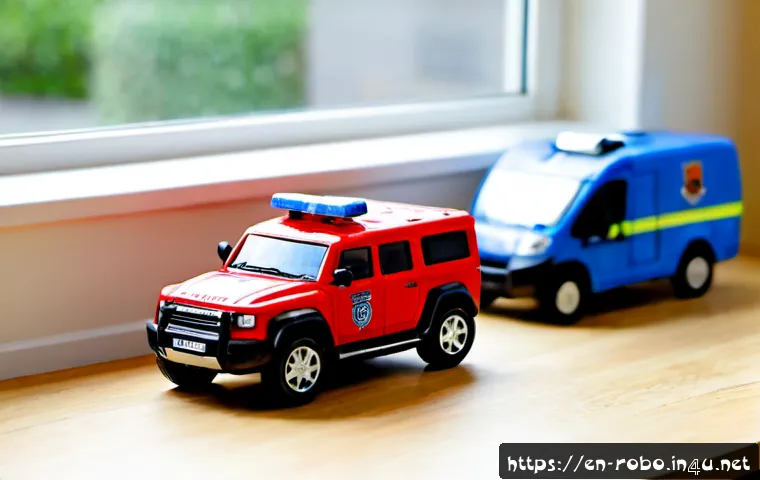
Used Robocar Poli toys can offer good value when the vehicle, accessories, moving parts, and seller details are checked carefully. Compare listings by condition, completeness, shipping cost, and child-safety considerations before buying.
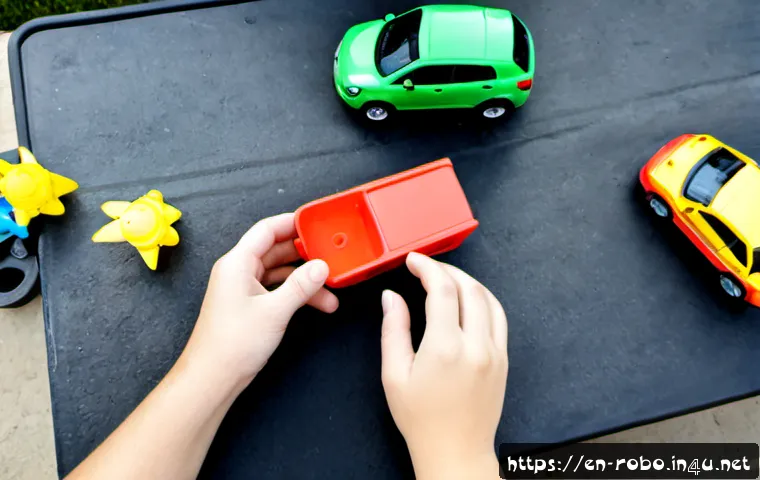
Used Robocar Poli toys are worth buying when the condition is clear, the key parts are included, and the total cost remains reasonable after shipping.
A new or sealed option can be the better value when a used listing has unclear photos, missing accessories, weak return terms, or damage that may affect play.
For parents, the best choice is usually a clean, sturdy toy with functioning parts rather than a listing described only as “rare” or “like new.” For collectors, completeness, paint condition, original accessories, and packaging may matter more than the lowest asking price.
Compare several listings before deciding, because resale value and availability can vary by model, release period, region, and marketplace. A careful condition check also helps avoid the common disappointment of receiving an incomplete bundle or a toy that was poorly packed for delivery.
Focus on what is visible, what the seller confirms, and what buyer protection or return option is available.
At a Glance
- A used Robocar Poli toy can be a good value when its condition, completeness, and delivered cost are clearly shown.
- Check photos for cracks, paint wear, loose wheels, missing pieces, and working moving features before paying.
- Compare seller reliability, shipping charges, return terms, and replacement-part availability—not only the listed price.
| Option | Best For | What to Compare | Main Watch-Out |
|---|---|---|---|
| Used, complete | Everyday play, gifts, collectors on a budget | Condition, all accessories, delivery cost, seller photos | “Complete” may mean different things unless each item is pictured or listed |
| Used, incomplete | Simple play, replacement vehicles, parts projects | Lower price versus replacement cost and missing-function impact | A low starting price may not be a low total cost |
| New or sealed | Gifts, display, buyers who want predictable condition | Package condition, return terms, delivered price | Sealed packaging does not automatically make an item rare or worth more |
Are Pre-Owned Robocar Poli Toys Worth Buying?
Quick Answer: When a Used Toy Offers Real Value
A pre-owned Robocar Poli toy can be a sensible purchase if it is clean, structurally sound, clearly photographed, and priced fairly after delivery costs. This is especially true for a child who wants a familiar rescue vehicle for active play rather than a display-only collectible. A used toy does not need flawless paint to be enjoyable, but it should have no obvious cracks, sharp damage, unstable wheels, or loose pieces that affect normal use.
The strongest used listings make comparison easy. They show the actual item from more than one angle, identify included accessories, mention visible wear, and explain whether moving or transforming features work. Clear seller details are often more useful than a vague claim that an item is “excellent” or “rare.”
When comparing used toy prices, treat the listing amount as only one part of the decision. Add shipping, possible import charges where applicable, and the likely cost of replacing missing accessories. If a less expensive listing needs extra parts or has uncertain condition, its real value may be lower than a slightly higher-priced complete toy.
When Paying More for a New or Complete Item Makes Sense
Paying more can make sense when the toy is intended as a gift, when a child strongly wants a specific character or accessory, or when the used listing does not provide enough information. A new or sealed item may offer more predictable cosmetic condition, but buyers should still read the description carefully and review the seller’s return policy.
A complete used set may also be the stronger choice if missing items are central to play. For example, an accessory, detachable part, or feature-related piece can matter more than minor paint wear. For a display-focused buyer, original packaging, clean decals, intact moving parts, and a complete accessory list may justify choosing a better-condition listing instead of the cheapest option.
Do not assume “new,” “vintage,” or “rare” automatically means better value. The right option depends on the exact model, condition, region, marketplace, and how the toy will be used.
Compare Condition, Completeness, and Total Cost
Used Complete vs. Used Incomplete vs. New in Package
Start by placing listings into three practical categories: used complete, used incomplete, and new or sealed. This makes price comparison less confusing because you are comparing similar value rather than just comparing headlines.
A used complete listing is often the middle-ground choice. It may have normal signs of play, but it includes the main vehicle and the stated accessories. It can be suitable for a child, a relative buying a present, or a collector who does not require unopened packaging.
A used incomplete listing can work when the main vehicle is all that matters. It may also be useful if you are replacing a lost toy or building a character collection one piece at a time. However, confirm exactly what is absent. A missing decorative item may be unimportant, while a missing wheel, door, transforming component, or essential attachment may change whether the toy can be played with as intended.
A new or sealed listing can be easier to evaluate for a gift or display purchase, but it still deserves a careful check. Look for photos of the packaging, note any visible crushing or tears, and read whether returns are accepted. Packaging condition can be especially relevant to collectors, while it may matter much less to a child who will open the toy immediately.
Why Shipping, Missing Accessories, and Returns Affect the Real Price
The fair price is the total cost to receive a usable toy, not simply the number shown beside the listing. Two similar Robocar Poli toys may appear differently priced until shipping is included. A lower-price item can become less attractive if delivery costs are high, the seller provides no return option, or the toy is missing a part you will need to find separately.
Use a simple comparison method:
- Write down the listed price.
- Add shipping and any charges shown before checkout.
- List included accessories and obvious missing parts.
- Consider whether a missing part affects play, display, or resale appeal.
- Check the seller’s condition notes, delivery method, and return terms.
This approach is useful when looking at marketplace listings, toy resale shops, collector listings, or local pickup options. A local purchase may allow a closer inspection, while a shipped item may need better photos and stronger packaging assurances.
How to Inspect a Listing Before You Pay
Photos to Check for Cracks, Paint Wear, Loose Parts, and Damage
Photos cannot confirm every detail, but they can reveal many condition issues. Look beyond the front image. Check the sides, underside, wheels, joints, doors, seams, and any areas that move or connect to accessories. If only one stock-style image is shown, ask for photos of the actual item.
Pay attention to these condition points:
- Cracks: Look around wheel housings, hinges, joints, corners, and connection points.
- Paint wear: Light scuffs may be acceptable for play, while major wear can matter for gifts or display.
- Loose wheels: Check whether wheels appear uneven, detached, or unable to sit properly.
- Missing parts: Compare the photos with the written description and note every visible accessory.
- Moving features: Ask whether doors, transformations, buttons, lights, sounds, or other stated features work, if applicable.
- Damage or marks: Check for stains, stickers, discoloration, chewing marks, or repairs that are not clearly described.
For a child’s play toy, cosmetic wear may be acceptable when the structure is solid. For a collectible toy, even small marks can influence your decision. The important point is to match the condition to the purpose of the purchase.
Questions to Ask the Seller Before Purchase
Short, specific questions are usually more useful than asking whether the item is “in good condition.” Ask whether the pictured toy is the exact one being sold, whether all shown parts are included, and whether any moving features have been tested. If the description says “bundle,” ask for a written list of what the bundle contains.
You may also ask whether there are cracks, loose wheels, repairs, odors, stains, or parts that do not stay attached. For a shipped toy, ask how it will be packed if the item has delicate accessories, original packaging, or parts that could bend or break in transit.
Seller communication does not guarantee an item’s condition, but clear and direct answers can help you judge listing reliability. If important questions remain unanswered, it may be better to compare another listing rather than make assumptions.
Age Suitability, Cleaning, and General Toy-Safety Checks
A second-hand toy should be checked carefully before giving it to a child. Confirm the product’s age guidance from its label or packaging when available, and consider whether small removable pieces are appropriate for the intended child. A listing photo alone cannot confirm whether a toy is safe, authentic, complete, or subject to any recall information.
Inspect for loose components, exposed damage, sharp edges, battery-area concerns if relevant, and parts that no longer fit securely. Clean the item according to its material and any available product guidance before use. If you cannot verify a concern from the listing, do not rely on the phrase “pre-owned” or “like new” as a safety assurance.
Avoid Common Second-Hand Toy Buying Mistakes

Do Not Assume “Vintage,” “Rare,” or “Like New” Guarantees Value
These terms can describe a seller’s impression rather than an objective condition grade. “Vintage” may refer to age, “rare” may refer to limited availability in one location, and “like new” may still leave questions about accessories, working features, or hidden wear. Use the photos, written details, and total cost as your primary comparison tools.
Exact resale values can change by model, release year, condition, region, and marketplace. If collectible value matters to you, compare similar items in similar condition rather than using a label as proof of value.
Watch for Incomplete Sets and Unclear Bundle Descriptions
An incomplete bundle is one of the easiest ways to overpay for a used toy. Sellers may photograph several items together while the description refers only to one vehicle, or they may use broad wording such as “as pictured” without naming each included piece. Read both the title and the full description, then compare them with the images.
If an accessory is important, get confirmation before purchasing. This is particularly useful when a toy has detachable components, a playset connection, a character-specific tool, or a feature that depends on an included part. Never assume an accessory is included because it appears in a promotional image.
Consider Packaging Quality for Shipping-Sensitive Items
Good packaging is part of seller reliability. It matters most for display items, toys with protruding parts, original boxes, and bundles containing many small accessories. Ask whether loose pieces will be separated and protected during delivery. A toy arriving damaged can erase the savings of a used purchase, especially when the return process is limited or unclear.
Before choosing a listing, review the estimated delivery cost and the available return option. Official listing details and seller terms are the best place to confirm those conditions before payment.
Choose Based on How the Toy Will Be Used
Best Approach for Everyday Play
For everyday play, prioritize durability, clean condition, secure parts, and working wheels or moving features. Minor paint wear is often less important than structural condition. A used complete toy with visible but honest wear can be a practical choice if it is sturdy and the child does not need original packaging.
Choose a listing with enough photos to inspect the areas most likely to receive active use. If a vehicle appears to have loose wheels, cracked joints, or missing functional pieces, the lower price may not be worth the frustration.
Best Approach for Gifts
For a gift, predictability matters. A complete used toy can be a thoughtful option when its condition is clearly described and the delivery timing is suitable. If the item is meant for a special occasion, consider the risk of late shipping, poor packaging, or an unclear accessory list before choosing the least expensive listing.
A new or sealed alternative may be worth considering when presentation matters or when you need a more straightforward return process. Compare the delivered cost and item condition side by side instead of assuming either option is automatically better.
Best Approach for Display-Focused Collectors
Collectors may want to place more weight on paint condition, decals, complete accessories, original packaging, and seller documentation. A display item with a small crack or replacement part may be less appealing than a play-worn but complete example, depending on your collection goals.
Ask for close photos of the details that matter to you. If packaging is included, inspect its corners, windows, seals, and visible damage. If authenticity, release details, or rarity are important, seek confirmation from reliable product information rather than relying solely on a marketplace title.
Selection Criteria and Comparison Summary
Before buying, compare condition, included parts, total delivery cost, seller responsiveness, packaging quality, and return terms. Buy used when the photos are clear, the toy is suitable for its intended use, and the total cost remains attractive against complete or new alternatives. Negotiate or wait when the price does not reflect missing pieces, visible damage, or uncertain shipping. Choose a new alternative when a gift-ready condition, predictable completeness, or clearer returns matter more than used savings. Check the listing page for the exact condition notes, delivery charges, and return details before placing an order.
In Closing
Buying a used Robocar Poli toy is less about finding the lowest listed price and more about finding the best fit for your purpose. A complete, sturdy toy with clear photos can offer strong value for play or collecting. An incomplete listing can still be useful, but only when you understand what is missing and how that affects the final cost. Taking a few minutes to compare seller details and shipping terms can prevent a disappointing purchase.
Useful Things to Know
1. The same model can have different resale prices across regions and marketplaces.
2. “Complete” should be verified through photos or a specific accessory list.
3. Shipping and replacement parts can change which listing is actually the better deal.
4. For active play, structural condition usually matters more than light cosmetic wear.
5. For display, packaging and paint condition may deserve more weight.
Important Notes
Exact original retail prices, rarity, current resale values, authenticity, recall status, and suitability for a particular child cannot be confirmed from a general buying guide or from photos alone. Seller policies, buyer protections, shipping charges, import charges, and return terms vary by location and platform. Always review the specific listing and inspect the item after delivery before allowing a child to use it.
Frequently Asked Questions
Q1. How can I tell whether a used Robocar Poli toy is priced fairly?
A1. Compare similar listings by condition, included accessories, shipping cost, and return terms. A fair price is based on the total cost to receive a usable toy, not only the listing amount. Consider whether missing parts would need replacement and whether cosmetic wear matters for your intended use.
Q2. Is it safe to buy second-hand Robocar Poli toys for young children?
A2. It can be appropriate only after careful inspection. Check age guidance when available, look for cracks, sharp damage, loose parts, and insecure components, and clean the toy before use. Photos alone cannot confirm safety, authenticity, completeness, or recall status, so verify as much as possible with the seller and inspect the item when it arrives.
Q3. Should I buy an incomplete used set or pay more for a complete one?
A3. Buy an incomplete set when the missing pieces do not affect how the toy will be used and the total cost remains worthwhile. Pay more for a complete option when accessories are important for play, gifting, display, or future resale appeal. Ask for a precise list of included items before deciding.