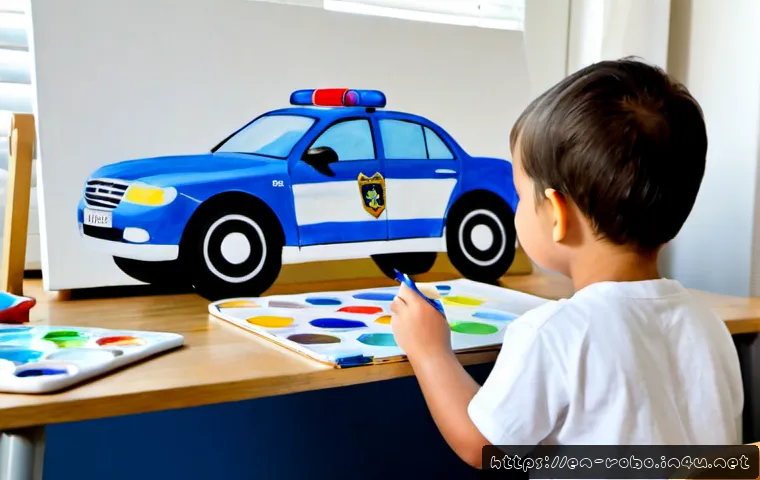
Start by confirming that the contest is official, then choose the simplest art format that fits its rules. A clear, original image and a careful parent review are usually more important than expensive supplies.
Traditional materials are often enough for young children, while a tablet or drawing app can be useful for a child who already enjoys digital art. Before buying premium markers, a stylus, or printing services, check the accepted format and submission instructions.
Contest eligibility, deadlines, consent forms, and image requirements can differ by organizer and region. Keep a copy of the finished artwork and review privacy settings before uploading anything.
At a Glance
- Confirm the official rules first: eligibility, deadline, theme, accepted format, and parent consent requirements may vary.
- Choose the easiest suitable medium: crayons, pencils, markers, or a beginner digital art tool can all work if permitted.
- Submit a clear original image: photograph or scan physical art carefully and remove personal details before uploading.
| Art Format | Best For | Strengths | Points to Check |
|---|---|---|---|
| Crayons or colored pencils | Young artists and simple projects | Low setup, easy to control, personal look | Use clean paper and make sure colors show clearly in a photo |
| Markers or watercolor | Bold color and expressive work | Strong visual impact and quick coverage | Allow drying time and avoid smudges before photographing |
| Beginner digital drawing tools | Children already comfortable with a tablet or app | Easy corrections and clean file preparation | Confirm whether digital art, edited files, or app features are allowed |
| Printed or mixed-media work | Projects where presentation matters | Can combine drawing, coloring, and physical textures | Check whether printed elements and mixed media are accepted |
What Makes a Contest Entry Ready to Submit
A contest entry is ready when it follows the organizer’s instructions, reflects the stated theme, and can be submitted in the requested format. The strongest preparation step is not buying more supplies. It is reading the official contest page carefully before the child begins.
Check the official organizer, deadline, age eligibility, and submission format first
Look for the contest organizer’s official page and review the full entry instructions. Check the deadline, eligible locations, age requirements, required entry form, and whether artwork must be uploaded, emailed, mailed, or shared another way. Rules may also explain acceptable file formats, image sizes, and whether a parent or legal guardian must complete the submission.
Do not assume a social post or shared image is an official contest announcement. Confirm the rules, prizes, privacy terms, and submission process on the organizer’s own contest information page.
Keep the artwork original and suitable for the stated theme
A child can take inspiration from Robocar Poli, but the finished entry should be the child’s own creative work. Avoid tracing another person’s fan art, copying a screenshot, or submitting a drawing made by someone else. If the rules give a theme, help your child understand it in simple terms before they start.
A good approach is to use one recognizable focal character, a small story idea, and a background that supports rather than overwhelms the main drawing. The goal is a clear, child-led piece of art, not a highly polished imitation of professional artwork.
Ask a parent or guardian to review privacy and consent requirements
Children’s art contests may require a parent or legal guardian to review and complete entry forms. Before submitting, check what personal information is requested and read the privacy terms. Keep names, school details, home addresses, phone numbers, and other identifying details out of the artwork image unless the official rules specifically require information through a secure entry form.
Also review whether the contest terms describe how submitted artwork may be used. The exact rights and promotional permissions can vary, so this is worth checking before upload.
Choose the Best Art Format for Your Child
The best format is the one your child can use comfortably and that the official rules allow. A simple drawing made with familiar materials can be a better choice than a complicated digital project that creates frustration near the deadline.
Traditional drawing: low-cost, simple, and easy to personalize
Traditional art is often the easiest starting point. Crayons, colored pencils, markers, and plain drawing paper give children direct control without requiring an app, account, or device setup. This option works well when a child enjoys coloring and wants to finish a project in one or two relaxed sessions.
Choose paper that stays flat and lets colors show clearly. Encourage clean edges around the main character, but do not correct every small line. A contest entry should still look like the child’s work.
Digital drawing: useful for children already comfortable with a tablet or drawing app
A beginner digital drawing app can be practical for children who already draw on a tablet. Digital tools make it easier to undo a mark, adjust colors, and prepare a clean image file for online submission. A basic stylus may feel more natural than drawing with a finger, but it is not automatically necessary.
Check the rules before using filters, templates, AI-generated elements, or major photo edits. Whether these are permitted is not something to guess. If the rules do not clearly address them, use a straightforward child-created drawing or seek clarification from the organizer.
Printed or mixed-media art: when presentation quality matters and rules allow it
Printed or mixed-media work can be enjoyable when a child wants to combine a drawing with paper shapes, paint, or other simple materials. However, extra layers can create shadows and glare when photographed. They may also be restricted by contest rules.
If printing is allowed and presentation matters, a local printing service may help with a clean copy or scan. Review the final print before submission and keep the original artwork at home.
Materials, Tools, and Value for Money
You do not need premium art supplies for a child’s fan art entry. The best value comes from materials that are easy to use, fit the child’s age and confidence level, and produce a clear final image.
A simple supply checklist for crayons, colored pencils, markers, and paper
For a traditional entry, start with a short checklist: clean drawing paper, familiar coloring tools, an eraser if the child uses pencils, and a flat surface with good light. Colored pencils can support small details. Markers can create strong color blocks. Crayons can be a comfortable choice for younger children.
Use only the materials needed for the planned picture. A large supply set does not make the concept clearer. It can sometimes make choosing colors harder for a young artist.
When a beginner drawing tablet or stylus may be a reasonable upgrade
A drawing tablet or stylus may be worth considering when a child already uses a compatible device comfortably and prefers digital art. Look for a setup with simple controls, a child-friendly drawing experience, and a way to save the artwork in the format the organizer accepts.
Before choosing an app or accessory, check whether it will actually solve a need: easier line control, easy corrections, or a clean digital file. If the child is happier with pencils and paper, there may be no reason to change methods for one contest.
When scanning or local printing services can improve a physical submission
Scanning can help preserve small details and reduce uneven lighting. A local printing or scanning service may be useful if a home photo looks dull, tilted, or shadowed. This is an optional presentation step, not a requirement for every entry.
If you photograph the artwork at home, place it flat, use bright even light, and check the image for shadows, glare, or cropped edges. Compare the digital image with the original before uploading.
Create and Submit the Artwork Without Common Mistakes
Simple planning prevents many submission problems. Let the child focus on making the art, then handle the technical review together at the end.
Use a clear focal character, simple background, and readable colors
Start with one main idea. A Robocar Poli-inspired character or scene should be easy to notice at first glance. A simple background can add context without covering the main subject. Encourage color choices that keep important lines and shapes visible.
Before calling it finished, ask one useful question: Can someone quickly tell what the picture is about? If the answer is yes, avoid adding unnecessary details just to fill space.
Photograph or scan the finished art in bright, even light
For physical artwork, take the photo only after the page is clean and dry. Put it on a flat surface, keep the camera directly above it when possible, and include the complete page. Bright, even lighting helps reduce dark corners and distracting shadows.
For digital art, save an original version first. Then export or prepare a submission copy only in the format requested by the official rules.
Avoid visible personal details, copied artwork, and unapproved edits
Check the image carefully before uploading. Remove visible names, school logos, addresses, or other personal information from the artwork and surrounding area. Do not submit copied artwork, another child’s work, or a heavily edited image if the rules do not permit it.
Keep the final submission honest. A clear image of original child-created art is safer than a highly altered file that may not match contest conditions.
Tips for Parents Supporting Young Artists
Parents can make the process smoother without taking over the creative work. The most helpful role is to organize the rules, prepare the materials, and protect the child’s privacy.
Let the child lead the creative work rather than polishing it for them
Offer choices instead of instructions: crayons or pencils, a vehicle scene or a rescue scene, a simple background or a colored sky. Let your child make the final creative decisions. Their own ideas and style are the point of a children’s art contest entry.
Match the project length to the child’s attention span
Break the project into small steps: choose an idea, make the drawing, add color, let it dry if needed, then photograph it later. Stopping while the child is still enjoying the activity can be more useful than pushing to complete every detail at once.
Save an original copy before submitting a digital file
Keep the original paper artwork or save the original digital file before making a submission version. This gives you a backup if an upload fails, a file is changed accidentally, or the organizer requests a different format.
Selection Criteria and Quick Comparison
Use these checks before choosing supplies, a drawing app, or a printing option:
- Rules first: confirm that the medium, file type, and submission method are accepted.
- Child comfort: choose tools your child already understands and enjoys using.
- Clear reproduction: make sure a photo, scan, or exported file will show the artwork clearly.
- Simple setup: traditional supplies are often best for low cost and minimal preparation.
- Digital convenience: digital tools may suit children who benefit from easy corrections and clean file submission.
- Optional extras: review the official rules before paying for premium materials, app features, scanning, or printing.
For contest rules, accepted formats, and privacy conditions, check the organizer’s official contest page before making a purchase or submitting an entry.
Final Thoughts
A strong Robocar Poli-inspired art contest entry does not need to be complicated. Start with official rules, use a medium your child enjoys, and protect their personal information during submission. Familiar crayons, pencils, or markers may be all that is needed. If digital tools or printing services make the process easier, use them only after confirming that the contest allows that format.
Useful Things to Know
1. Contest availability, deadlines, locations, and age eligibility can vary by organizer and region.
2. A parent or legal guardian may need to complete entry forms for a child.
3. Physical artwork usually needs a clear photograph or scan for online submission.
4. Digital art, AI-generated images, collaborations, and edited photos may have separate restrictions.
5. Save an original copy of the artwork before submitting anything.
Important Notes
This is a general preparation guide, not confirmation that an official Robocar Poli fan art contest is currently open. The organizer’s exact deadline, eligible countries, age requirements, prizes, judging criteria, permitted formats, and artwork rights must be confirmed through official contest information. Do not rely on unofficial posts for submission instructions or privacy terms.
Frequently Asked Questions
Q1. Is a Robocar Poli fan art contest safe for children to enter?
A1. Safety depends on the specific organizer and its entry process. A parent or guardian should confirm that the contest is official, review privacy terms, check what information is requested, and avoid sharing unnecessary personal details in the artwork or public posts.
Q2. Do I need to buy a drawing tablet or expensive art supplies for a child’s entry?
A2. No. Basic crayons, colored pencils, markers, and clean paper may be enough if they fit the rules. A drawing tablet, stylus, or printing service can be useful when it matches the child’s existing preferences and the permitted submission format.
Q3. Can a parent help with a child’s fan art submission?
A3. A parent can help read the rules, prepare materials, photograph or scan the art, complete consent forms, and submit files. The creative work should remain the child’s own unless the official rules clearly allow a different arrangement.
Q4. How can I tell whether a Robocar Poli contest is official?
A4. Check for contest information on the organizer’s official page and look for complete rules, entry conditions, privacy terms, and a clear submission process. Do not assume that every social media post or shared graphic represents an official event.
Q5. Can digital artwork be submitted instead of a hand-drawn picture?
A5. It may be possible, but it depends on the contest rules. Confirm whether digital artwork is accepted and whether there are restrictions on drawing apps, image edits, AI-generated content, or file formats before your child starts.