Alright, fellow animation enthusiasts and creative minds! I’m thrilled to dive into a topic that truly fascinates me: the incredible tools that bring our favorite animated worlds to life.
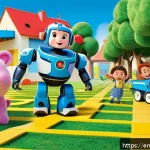
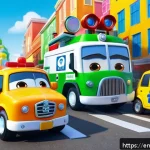
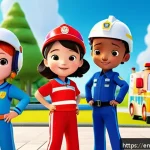
You know, shows like “Robocar Poli,” that adorable South Korean 3D animated series that’s captured hearts globally since 2011, making complex rescue missions understandable and fun for kids.
When I first started exploring the magic behind these productions, I was genuinely blown away by the sophistication and sheer artistry involved. It’s not just about drawing cute characters; it’s about a meticulously crafted pipeline that has evolved dramatically over the years.
Thinking about the journey from concept to screen, especially for a vibrant, episodic show like “Robocar Poli,” really makes you appreciate the blend of creativity and technical prowess.
I’ve personally seen how much the animation industry has embraced groundbreaking advancements, and 2025 is certainly no exception. We’re talking about everything from AI-driven automation streamlining tedious tasks to real-time rendering engines that visualize scenes almost instantly, accelerating the entire production process.
These innovations aren’t just buzzwords; they’re fundamentally reshaping how studios, large and small, approach animation, allowing for more detailed worlds, faster iterations, and ultimately, even more captivating storytelling.
It’s truly amazing how tools like Autodesk Maya remain industry standards for high-end 3D work, while open-source powerhouses like Blender continue to democratize professional-level animation for creators everywhere.
If you’ve ever wondered how these charming characters jump off the screen with such lively movements and engaging stories, you’re in for a treat. Let’s uncover the secrets behind the tools that make it all possible.
The Creative Spark: From Initial Concept to Stunning Character Design
It’s truly incredible to witness how a simple idea blossoms into a fully realized animated world, isn’t it? When I watch a show like “Robocar Poli,” with its distinct character designs and bustling environments, I often think about the painstaking journey from concept art to the final on-screen magic.
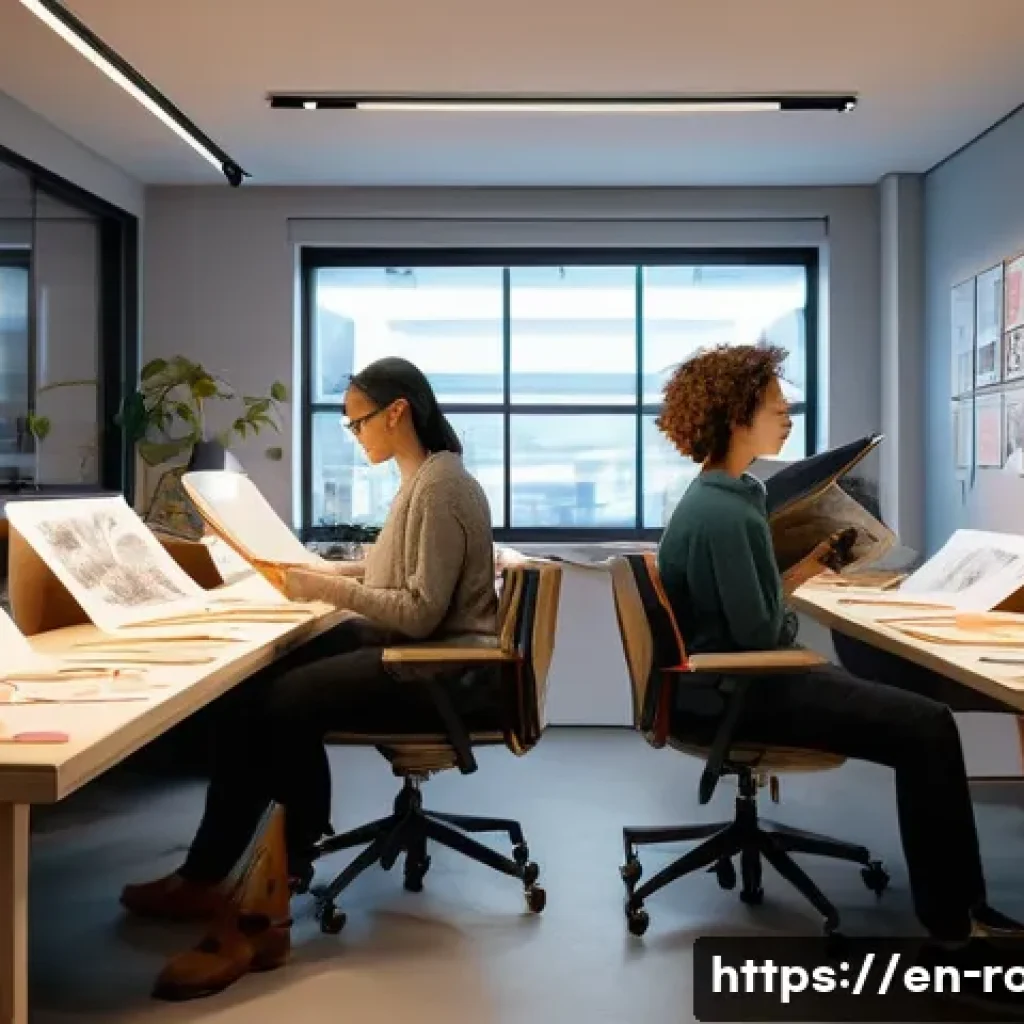
This initial phase, where everything begins, is absolutely critical. We’re talking about brainstorming sessions filled with passionate artists sketching away, trying to capture the very essence of a character or a world.
It’s a messy, beautiful process of iteration, where ideas are thrown around, refined, and sometimes completely scrapped, only to be reimagined with a fresh perspective.
I remember trying my hand at character design years ago, and the sheer number of doodles and iterations before landing on something that felt right was astounding.
It truly cemented my appreciation for the professionals who do this day in and day out. This stage isn’t just about drawing; it’s about defining personality, movement, and the emotional core that will resonate with audiences globally.
A character like Poli, for instance, isn’t just a police car; he embodies bravery and helpfulness, and those core traits are designed into his very form and silhouette from the get-go.
Sketching the Soul: Initial Visual Development
This is where the magic truly begins to take shape on paper or a digital canvas. Artists translate raw ideas into tangible sketches, exploring countless variations of a character’s appearance, expressions, and even how they might move.
Think about how many different versions of a hero or villain might exist before the final design is approved. It’s a collaborative dance between directors, writers, and artists, all working to ensure the visual elements perfectly support the narrative.
For a show like “Robocar Poli,” where the characters are vehicles with distinct human-like qualities, the challenge lies in balancing their mechanical nature with expressive faces and body language.
I’ve seen concept artists use everything from traditional pencils and sketchbooks to powerful digital tools like Adobe Photoshop or Procreate on an iPad Pro, allowing for rapid iteration and feedback.
These tools aren’t just for drawing; they’re for painting, texturing, and visualizing the color palettes that will eventually define the entire animated universe.
The initial visual development truly sets the aesthetic tone for the entire production.
Sculpting Digital Forms: The Art of 3D Modeling
Once the 2D concept art is approved, the characters and environments make the leap into the third dimension. This is where 3D modelers meticulously sculpt every detail, transforming flat drawings into volumetric digital assets.
It’s a bit like digital pottery, where artists use software like Autodesk Maya, Blender, or ZBrush to build the wireframes and surfaces of each object and character.
I remember the first time I saw a complex 3D model being built from scratch; it felt like watching an architect construct a building, layer by painstaking layer.
For “Robocar Poli,” think of the precision required to model each vehicle, ensuring that it looks robust and functional while also being appealing and friendly to children.
This phase demands not only artistic skill but also a keen understanding of topology and mesh optimization, as the models need to be efficient enough to animate smoothly without bogging down the rendering pipeline later on.
It’s a technical art form where every polygon counts towards the final on-screen appeal.
Bringing Characters to Life: The Magic of Animation Software
Once our characters are beautifully modeled and textured, the real fun begins: making them move! This is where animators, with their keen eye for timing and weight, breathe life into static digital puppets.
It’s a truly mesmerizing process that feels less like pushing buttons and more like conducting an orchestra of motion. I’ve always been captivated by how animators can convey so much emotion and personality through subtle shifts in posture, speed, and expression.
It’s a deep understanding of physics, acting, and pure artistry all rolled into one. For episodic series, especially those with a consistent cast like “Robocar Poli,” maintaining character integrity in their movements across dozens, if not hundreds, of episodes is a monumental task.
Every bounce, every walk cycle, every emergency rescue mission requires a meticulous approach to keyframing and motion curves, ensuring that each character’s actions are believable and engaging, whether they’re driving through Broomstown or performing a daring rescue.
Rigging: The Skeleton Behind the Show
Before a character can animate, it needs a digital skeleton, or “rig.” This is perhaps one of the most technical yet utterly crucial steps in the animation pipeline.
Riggers create a complex system of bones, joints, and controls that allow animators to manipulate the 3D model like a sophisticated puppet. Imagine trying to animate a human character without being able to bend its knees or elbows – it would be impossible!
For vehicle characters like those in “Robocar Poli,” the rigging involves creating controls for wheels, doors, headlights, and even the subtle squashes and stretches that give them personality.
My first experience with rigging was incredibly frustrating but ultimately rewarding; understanding how the underlying structure dictates the animation was a huge “aha!” moment.
Software like Autodesk Maya and Blender offer robust rigging tools that allow for everything from simple IK/FK chains to complex facial rigs that can convey a myriad of emotions, making the animator’s job much more intuitive and efficient.
Keyframing and Motion Capture: Diverse Approaches to Movement
Animators largely rely on keyframing, where they set specific poses at particular points in time, and the software interpolates the movement in between.
It’s a delicate dance of timing and spacing that can make a character feel heavy or light, fast or slow. Beyond traditional keyframing, many studios now leverage motion capture technology, especially for more realistic human or creature movements.
While probably less common for stylized shows like “Robocar Poli” which prioritize expressive, slightly exaggerated movements, motion capture significantly speeds up production for high-fidelity animation by recording real actors’ movements and applying them directly to 3D models.
However, even with motion capture, animators still play a crucial role in cleaning up data, refining movements, and infusing the performance with that special animated flair.
The blend of these techniques allows studios to achieve both efficiency and artistic precision, making sure every jump, run, or transformation is perfectly executed.
Crafting the Visual World: Texturing, Lighting, and Rendering
Once the characters are animated, they still need to look amazing within their environments. This is where the visual storytelling truly comes alive through the meticulous application of textures, the artistic placement of lights, and the final rendering process that brings everything together.
It’s an often-underestimated part of animation, but without it, even the most beautifully animated character would look flat and unconvincing. I’ve found that the difference between a good animation and a great one often lies in these subtle details—the way light catches a character’s metallic surface, or the texture of a worn-out road, adding depth and realism even to a fantastical world.
For “Robocar Poli,” maintaining a consistent, bright, and clean visual style is paramount, and that consistency is achieved through careful attention to these elements across every single scene.
Adding Skin to the Bones: Texturing and Shading
Texturing is essentially the process of painting the surfaces of our 3D models. It gives characters and environments their visual qualities – is it shiny, rough, soft, metallic?
Artists use programs like Substance Painter, ZBrush, or even Photoshop to create detailed texture maps that define color, bumpiness, reflectivity, and transparency.
Think of the glossy finish on Poli’s police car body or the subtle dirt and wear on the roads of Broomstown. These textures aren’t just aesthetic; they communicate information about the world and its inhabitants.
Shading, on the other hand, defines how light interacts with these textures, dictating how an object appears under various lighting conditions. Mastering these tools allows artists to evoke specific moods and atmospheres, making the animated world feel tangible and immersive.
It’s a huge part of what makes you feel like you could reach out and touch the characters.
Illuminating the Scene: Lighting for Mood and Clarity
Lighting is an art form in itself within animation, serving multiple purposes beyond just making things visible. It sets the mood, directs the viewer’s eye, and enhances the emotional impact of a scene.
A sunny day in Broomstown will look vastly different from a dramatic nighttime rescue, and these visual cues are primarily controlled through lighting.
Lighting artists carefully place digital light sources – key lights, fill lights, backlights – to sculpt characters, create shadows, and establish depth.
I’ve experimented with lighting in 3D software, and it’s astonishing how much a scene can transform with just a few adjustments. It can make a character seem heroic, mysterious, or even menacing.
Modern rendering engines have advanced global illumination capabilities that simulate how light bounces around in a real environment, adding incredible realism and complexity, even in stylized animation.
The Final Picture: Rendering and Compositing
Rendering is the computational process of generating a 2D image or sequence of images from a 3D model. It’s the moment all the hard work – modeling, rigging, animation, texturing, and lighting – comes together into a final visual.
This can be an incredibly time-consuming process, sometimes taking hours or even days for a single frame, depending on the complexity. Farm renders, which distribute the computational load across multiple computers, are essential for large studios.
Once the raw rendered images are complete, they move to compositing. Here, programs like Adobe After Effects or Nuke are used to combine various layers (characters, backgrounds, special effects) into the final shot, add final color grading, and polish any visual imperfections.
It’s like the final chef’s kiss to the entire animated meal, ensuring everything looks cohesive and utterly stunning.
Modern Animation’s Backbone: Essential Software and Tools
Diving into the world of animation production, you quickly realize that it’s a bustling ecosystem of specialized software, each playing a vital role in bringing stories to life.
For me, exploring these tools has always felt like peeking behind the curtain of a magic show. It’s not just about one program; it’s about a sophisticated pipeline where different applications excel at specific tasks, seamlessly passing data back and forth.
From the giants that have dominated the industry for decades to innovative open-source alternatives that empower independent creators, the landscape is incredibly diverse.
Understanding this toolkit is fundamental for anyone looking to step into this exciting field or even just to appreciate the craft that goes into beloved shows like “Robocar Poli.” The right tools can truly unlock creative potential, streamline workflows, and ultimately lead to more polished and compelling results.
| Software | Primary Use | Key Features | Common Users |
|---|---|---|---|
| Autodesk Maya | 3D Modeling, Animation, Rigging, Rendering | Industry-standard, extensive toolset, powerful dynamics, Arnold renderer integration | Major animation studios, VFX houses |
| Blender | All-in-one 3D suite (modeling, sculpting, animation, rendering, VFX, video editing) | Free & open-source, constantly updated, Eevee & Cycles renderers, Grease Pencil 2D animation | Independent artists, small studios, game developers |
| ZBrush | Digital Sculpting | High-detail organic modeling, polypainting, Dynamesh for dynamic topology | Character artists, concept artists, game developers |
| Substance Painter | 3D Texturing | PBR workflow, real-time feedback, smart materials, procedural texturing | Texture artists, game artists, VFX artists |
| Adobe After Effects | Motion Graphics, Compositing, Visual Effects | Keyframe animation, extensive plugin ecosystem, integration with Adobe Creative Suite | Motion graphic designers, compositing artists, video editors |
The Real-Time Revolution: Game Engines in Animation
It wasn’t that long ago that the idea of animating a feature-film quality scene and seeing it render instantly felt like science fiction. Yet, here we are, in an era where game engines have completely revolutionized the animation landscape, bringing unprecedented speed and interactivity to the production pipeline.
I remember when game engines were purely for interactive experiences, but now, seeing them used for high-end cinematic sequences and even episodic television is genuinely mind-blowing.
This shift has democratized production to a certain extent, allowing smaller teams to achieve results that once required massive render farms and extensive budgets.
For a show like “Robocar Poli,” where quick iterations and consistent quality are key, the benefits of real-time rendering are immense, allowing animators and directors to make creative decisions on the fly and see the immediate impact.
Unreal Engine and Unity: The New Powerhouses
The two giants leading this charge are undoubtedly Unreal Engine and Unity. These platforms, originally designed for video game development, now offer incredibly robust tools for linear content creation.
With features like real-time ray tracing, advanced lighting models, and cinematic camera tools, they allow artists to pre-visualize scenes, animate characters, and even render final footage in real-time or near real-time.
This cuts down rendering times from hours per frame to mere seconds, accelerating the entire production process dramatically. I’ve personally experimented with Unreal Engine’s cinematic tools, and the immediacy of seeing your animation come to life with full lighting and effects is exhilarating.
It fosters a much more iterative and experimental workflow, enabling creatives to try out more ideas and refine scenes with greater speed than ever before, which is a game-changer for project timelines and creative freedom.
Virtual Production and In-Camera VFX
Beyond just speeding up rendering, game engines have unlocked the potential of virtual production. This involves using large LED screens displaying real-time 3D environments, allowing actors to perform within the virtual set and the camera to capture both the live action and the digital background simultaneously.
Think “The Mandalorian” and its groundbreaking use of this technology. While perhaps not directly applicable to a fully animated show like “Robocar Poli,” the underlying principles of seeing your digital world interact with physical elements in real-time are incredibly powerful.
Directors and cinematographers can make creative decisions as if they were on a physical set, adjusting lighting, camera angles, and even set dressing on the fly within the virtual environment.
This synergy blurs the lines between pre-production, principal photography, and post-production, offering unparalleled creative control and efficiency, pushing the boundaries of what’s possible in visual storytelling.
The Future is Now: AI and Machine Learning in Animation
It feels like every day we hear about new advancements in Artificial Intelligence, and the animation industry is certainly not immune to its transformative power.
When I first started following animation trends, AI was mostly confined to highly experimental research labs, but now it’s actively being integrated into various stages of the production pipeline, promising to streamline tedious tasks and even unlock new creative possibilities.
It’s easy to get caught up in the hype, but from what I’ve seen and experienced, AI isn’t here to replace human artists; instead, it’s becoming an incredibly powerful assistant, freeing up animators to focus on the truly creative and nuanced aspects of their craft.
Imagining how these technologies could further enhance the efficiency and quality of a show like “Robocar Poli,” especially in terms of consistent character performance and background generation, is genuinely exciting.
Automating the Mundane: AI-Powered Tools
One of the most immediate impacts of AI in animation is its ability to automate repetitive and time-consuming tasks. Think about in-betweening in traditional animation, where AI can now accurately generate the frames between key poses, saving countless hours for 2D animators.
In 3D animation, AI is proving invaluable for tasks like crowd simulation, where it can intelligently generate and animate hundreds or thousands of background characters with believable movements and interactions, which would be incredibly labor-intensive otherwise.
I’ve seen AI-powered tools that can automatically generate variations of textures, create realistic hair and cloth simulations, or even assist with lip-syncing by analyzing audio tracks.
These aren’t just minor conveniences; they are significant efficiency boosters that allow studios to reallocate resources to more creatively demanding areas, enabling artists to focus on artistic finesse rather than grunt work.
Generative AI and Creative Augmentation
Beyond automation, generative AI is starting to open up entirely new avenues for creativity. We’re seeing AI models that can generate concept art from text prompts, suggest character designs, or even create entire background environments based on simple descriptions.
While these outputs often require significant human refinement, they provide an incredibly powerful starting point for artists, accelerating the initial ideation phase.
Imagine a scenario where an artist describes a fantastical cityscape, and an AI generates multiple visual options in seconds, giving them a rich foundation to build upon.
This isn’t about AI replacing the artist’s vision, but rather augmenting it, providing a creative partner that can quickly prototype and visualize ideas.
I believe this collaborative future, where human creativity is amplified by intelligent tools, will lead to an explosion of diverse and innovative animated content that we can only begin to imagine today.
Building Your Animation Toolkit: Free vs. Paid Options
Stepping into the world of animation can seem daunting, especially when you start looking at the price tags of industry-standard software. However, I’m here to tell you that incredible animation doesn’t always require a hefty investment.
The beauty of the modern animation landscape is the vibrant array of tools available, catering to every budget and skill level. Whether you’re a seasoned professional in a bustling studio or a budding enthusiast working from your bedroom, there’s a perfect toolkit waiting for you.
It’s truly empowering to see how much high-quality work can be produced with accessible tools, proving that creativity and talent often trump expensive licenses.
From creating charming characters like those in “Robocar Poli” to crafting your own unique worlds, the barrier to entry has never been lower, which is fantastic news for aspiring artists everywhere.
Democratizing Animation: The Power of Open-Source Software
For anyone just starting out, or for independent creators looking to minimize costs, open-source software is an absolute godsend. Blender, for instance, has grown from a niche tool to a powerhouse that competes head-to-head with commercial alternatives like Autodesk Maya.
It’s a complete 3D suite, offering robust tools for modeling, sculpting, rigging, animation, rendering, and even video editing, all for absolutely no cost.
I remember feeling a bit intimidated by its interface initially, but once you get past the learning curve, its capabilities are astounding. This accessibility means that anyone with a computer and a passion for animation can start learning and creating professional-quality work without financial barriers.
Other open-source tools like Krita (for 2D painting and animation) and DaVinci Resolve (for video editing and color grading) further expand this ecosystem, making a fully free animation pipeline entirely feasible for many aspiring artists.
It truly democratizes the art form.
Industry Standard: Investing in Professional Tools
While open-source options are fantastic, many professional studios and artists still rely on industry-standard paid software for specific reasons, often related to established workflows, specialized features, and robust support.
Autodesk Maya remains a dominant force for high-end 3D animation and VFX, known for its extensive toolset and integration into large-scale pipelines. Other essential paid tools include ZBrush for detailed sculpting, Substance Painter for advanced texturing, and Adobe Creative Cloud applications like Photoshop (for concept art and texture work) and After Effects (for compositing and motion graphics).
The investment in these tools often comes with comprehensive learning resources, reliable updates, and compatibility with proprietary studio pipelines.
While the subscription costs can add up, for professionals, they are often seen as essential business expenses that provide unparalleled efficiency, advanced capabilities, and the seamless collaboration features necessary for complex studio productions.
It’s about finding the right balance for your specific needs and budget.
Closing Thoughts
Phew! What a journey we’ve taken through the fascinating world of animation production, right? It truly is a testament to human ingenuity and passion, seeing how complex concepts transform into the vibrant, engaging stories we all love. From the initial spark of an idea to the meticulous rendering of every last detail, each stage is infused with incredible dedication and artistry. I genuinely hope this deep dive has given you a newfound appreciation for the magic behind your favorite animated shows and films, and perhaps even inspired some of you to pick up a digital pen or explore the exciting tools available today!
Useful Information to Keep in Mind
1. Don’t Be Afraid to Start Small: You don’t need a fancy studio or expensive software to begin your animation journey. Tools like Blender are free and incredibly powerful, allowing you to learn the ropes and create stunning visuals without breaking the bank. I personally started with very basic drawing software, and it was a fantastic way to build fundamental skills before investing further.
2. Focus on Storytelling First: While technical skills are crucial, never forget that compelling animation is always built on a strong narrative. Whether it’s a short sketch or a full-blown series, a well-told story with relatable characters will always resonate more deeply with your audience. I’ve found that even the most beautiful animation falls flat without a heart behind it.
3. Community is Key: The animation world is incredibly supportive. Join online forums, local meetups, or follow animators on social media. Sharing your work, getting feedback, and learning from others’ experiences is invaluable. I’ve personally gained so much from connecting with fellow artists, and it truly accelerates your growth.
4. Continuous Learning is Essential: Technology and techniques in animation are constantly evolving. Make it a habit to regularly explore new software features, watch tutorials, and keep an eye on industry trends. Staying curious and adaptable will keep your skills sharp and your creativity flowing. I try to learn something new every week!
5. Protect Your Creative Work: As you develop your unique style and produce original content, remember the importance of intellectual property. Understand basic copyright principles and consider registering your work when appropriate. It’s a vital step to safeguard your efforts and ensure you get the recognition you deserve for your amazing creations.
Key Takeaways
Our deep dive into animation production has really highlighted a few critical aspects that I hope stick with you. Firstly, remember that animation is a collaborative art form, blending creativity and technical prowess at every stage. From the initial concept art to the final rendered frame, it’s a symphony of talent working in harmony, each department building upon the last to craft a cohesive visual story.
Secondly, the landscape of animation tools is more accessible than ever before. Whether you’re leveraging the power of free open-source software like Blender or investing in industry-standard platforms, the barrier to entry for aspiring animators has significantly lowered. This means more opportunities for diverse voices to tell their stories, which is incredibly exciting for the future of the medium. I’ve seen firsthand how amazing work can come from unexpected places when the right tools are available.
Finally, the rapid advancements in real-time game engines and AI are not just buzzwords; they are genuinely transforming how animation is created. These technologies are accelerating workflows, democratizing production, and opening up entirely new creative possibilities for artists. While the human touch remains irreplaceable, these intelligent assistants are poised to free up animators to focus on the truly artistic and expressive elements, pushing the boundaries of what we thought possible. It’s a truly dynamic time to be involved in animation, and I can’t wait to see what amazing content emerges next!
Frequently Asked Questions (FAQ) 📖
Q: With the animation landscape constantly evolving, what are the absolute must-have tools for professionals right now, especially as we look at the cutting edge in 2025?
A: Oh, this is a question I get all the time, and honestly, it’s one of my favorites because it really gets to the heart of how our favorite animated worlds come to life!
From my own experience chatting with industry pros and even dabbling myself, some tools remain undisputed kings, while others are swiftly gaining ground.
For high-end 3D animation, especially character work and complex simulations, Autodesk Maya is still the reigning champion. Seriously, its rigging and animation toolsets are just unparalleled, and it integrates seamlessly into huge studio pipelines.
I remember the first time I really dug deep into Maya’s graph editor; it was like unlocking a whole new level of control over motion. But it’s not just Maya.
For sculpting organic models and intricate details, ZBrush is absolutely essential – it feels like digital clay in your hands, allowing for incredible artistic freedom.
Then, for texturing, Adobe Substance Painter has completely revolutionized how artists paint and add realism to their models. It’s incredibly intuitive, and the results are just breathtaking.
And let’s not forget about compositing and final touches; Foundry Nuke is the go-to for many feature films and high-end episodic series to bring all those separate elements together into a cohesive, polished final image.
These aren’t just software; they’re creative ecosystems that pros have mastered over years.
Q: I keep hearing about
A: I and real-time rendering. How are these actually changing the animation pipeline in practice for creators and studios? Is it just hype, or are we seeing real shifts?
A2: That’s a fantastic point, because “AI” and “real-time” can sound like buzzwords, but let me tell you, from what I’ve seen firsthand and experienced myself, they are absolutely game-changers.
It’s not hype; it’s a fundamental shift. Think about real-time rendering first. Engines like Unreal Engine and Unity are no longer just for games.
For animators, this means you can see your scene, lighting, and animation instantly as you’re working on it, often with near-final quality. No more waiting hours for a single frame to render!
I’ve seen teams iterate on shots in minutes what used to take days. This frees up animators to be far more experimental and creative, trying out different camera angles or lighting setups without fear of wasting precious production time.
It’s accelerated feedback loops like nothing else. And AI? Oh boy, AI is quietly streamlining so many tedious tasks.
We’re seeing AI tools assist with everything from automating rotoscoping (which used to be mind-numbingly manual) to generating believable lip-sync animations based on audio tracks.
Some studios are even using AI for motion capture cleanup, drastically reducing the time spent perfecting character movements. It means artists can focus their energy on the truly creative, high-impact parts of their job, rather than getting bogged down in repetitive chores.
Honestly, when I first saw how quickly AI could generate natural-looking facial expressions from a simple audio input, my jaw dropped. It’s like having a super-efficient assistant for your most time-consuming tasks.
Q: For aspiring animators or smaller, independent studios, are these powerful, high-end tools even accessible? Or are there more budget-friendly, yet still effective, alternatives for getting started and producing quality work?
A: This is such a crucial question, and it’s one I wish I had the answer to when I was first dipping my toes into the animation world! The good news is, absolutely, you don’t need to break the bank to start creating incredible animation.
While the industry giants use software that can come with hefty price tags, the democratization of animation tools has been a truly beautiful thing to witness.
The undisputed champion for accessibility and power is, without a doubt, Blender. It’s completely free and open-source, but don’t let that fool you – it’s a professional-grade 3D animation suite.
You can do everything from modeling and sculpting to rigging, animating, texturing, rendering, and even video editing, all within Blender. When I was starting out, I would have killed for something this robust and free!
The community around Blender is also incredibly supportive, with tons of tutorials and resources readily available. Beyond Blender, for 2D animation, tools like Krita (also free and open-source) are fantastic for concept art and traditional animation.
For video editing and compositing on a budget, DaVinci Resolve has a incredibly powerful free version that many professionals swear by. My personal advice to anyone just starting is this: focus on learning the principles of animation and storytelling, and get really good with one accessible tool like Blender.
Your talent and vision matter far more than the cost of your software. You’d be amazed at the stunning work independent artists are putting out with these powerful, budget-friendly options!