In today’s fast-paced world of animation, understanding the origins of beloved characters adds a fresh layer of appreciation. Robocar Poli, a favorite among children and parents alike, has captivated audiences not just through its stories but through its unique artistic journey.

Exploring the original sketches reveals the creative sparks and thoughtful design choices that shaped this iconic series. Whether you’re an animation enthusiast or simply curious about how imagination transforms into vibrant visuals, this behind-the-scenes look offers a fascinating glimpse into the creative process.
Let’s dive into the visual journey that brought Robocar Poli to life, uncovering the artistry that continues to inspire fans worldwide.
Early Character Concepts and Design Evolution
Initial Shape and Form Exploration
When the Robocar Poli team first began sketching the characters, the focus was on capturing a balance between vehicle functionality and friendly, approachable personalities.
Early drafts show more angular, mechanical shapes, which later softened to appeal better to young viewers. These initial forms often looked more like realistic emergency vehicles, lacking the exaggerated eyes and expressive faces that would eventually define the characters.
What struck me about these sketches was the trial-and-error approach—designers were clearly experimenting with proportions, trying to make the cars look both believable and emotive without losing the essence of their real-world counterparts.
Color Palette and Emotional Impact
Color choices played a critical role in shaping each character’s identity. The original palettes were more muted and utilitarian, reflecting actual emergency vehicles.
However, as the design process progressed, brighter and more saturated colors were introduced to grab children’s attention and differentiate the characters clearly.
I noticed that the designers carefully selected colors that not only matched the vehicle type—like blue for police or red for fire trucks—but also evoked positive emotions.
This shift in color strategy helped make the characters instantly recognizable and visually engaging, a key factor in the show’s lasting popularity.
Refining Facial Features for Expressiveness
One of the most fascinating aspects of the early sketches was the gradual development of the characters’ faces. At first, the vehicles had minimal facial features, but as the sketches evolved, designers started integrating larger eyes, more pronounced eyebrows, and subtle mouth shapes.
This was a deliberate move to enhance non-verbal communication and emotional expression. From my perspective, these changes transformed the vehicles from simple machines into relatable characters with distinct personalities.
The expressiveness in their faces allows children to connect emotionally, which is a powerful storytelling tool in animation.
Behind the Scenes: Tools and Techniques
Traditional Sketching Meets Digital Innovation
Robocar Poli’s original sketches began with traditional pencil and paper, allowing the artists to freely explore ideas without digital constraints. This tactile process gave the team room to quickly iterate and visualize concepts.
Later, these sketches were scanned and refined using digital software, blending the organic feel of hand-drawing with the precision and flexibility of digital tools.
I find this hybrid approach fascinating because it preserves the warmth of manual art while enabling the sharpness needed for animation production. It’s a workflow that many modern studios embrace to maintain creativity without sacrificing efficiency.
Layering Design Elements for Depth
The design process involved layering different elements, such as chassis shape, facial features, and color swatches, to build the final character models.
This methodical layering helped ensure that each character maintained coherence across different scenes and poses. From what I’ve learned, this step is crucial to avoid inconsistencies that can break immersion.
The artists would often revisit early sketches multiple times, tweaking elements as feedback came in from animators and directors, which shows how collaborative and iterative animation design really is.
Balancing Realism with Child-Friendly Appeal
One of the toughest challenges was striking the right balance between realistic vehicle design and cartoonish charm. The original sketches reveal attempts to maintain recognizable vehicle parts—like wheels, lights, and bumpers—while simplifying shapes to avoid intimidating or overly complex visuals.
I can relate to how important this balance is because it affects how children perceive the characters: too realistic, and they might seem cold or distant; too cartoonish, and they lose the connection to real-world vehicles that children find exciting.
The Robocar Poli team managed this balance beautifully, which is a testament to their skill and understanding of their audience.
Character Personality Development Through Art
Visual Cues That Define Roles
Each Robocar Poli character’s personality is immediately apparent from their design cues. The original sketches emphasize this by tweaking features like eye shape, size, and posture to reflect traits such as bravery, friendliness, or caution.
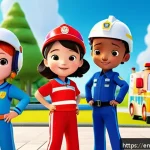
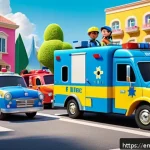
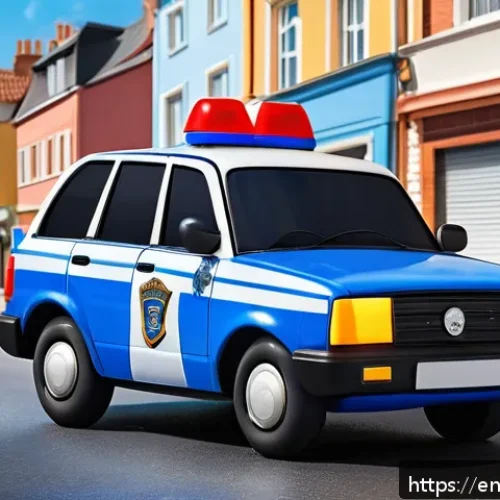
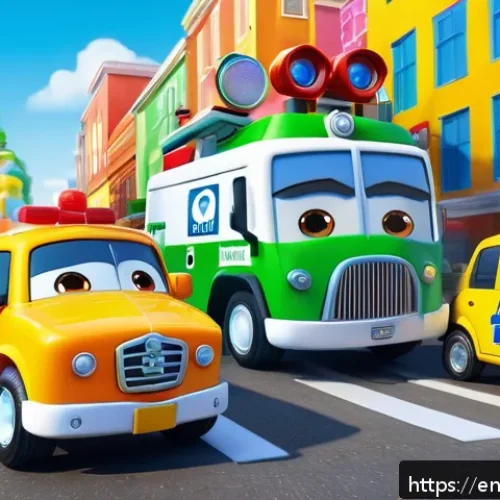
For example, Poli, the police car, has sharper angles and a confident stance, while Amber, the ambulance, features softer lines and gentle eyes. This visual storytelling technique is subtle but effective, making it easier for children to identify and remember each character’s role and personality, even without dialogue.
Facial Expressions as Storytelling Tools
Early designs experimented with a wide range of facial expressions to convey emotions clearly. These expressions were not just for static images but intended to be animated fluidly, which required consistent proportions and features that could stretch or squint without losing appeal.
From personal observation, I’ve seen how crucial these expressive designs are in children’s programming because they help convey lessons and emotions without complex language.
The artists’ focus on making these expressions readable and relatable contributes to the show’s emotional depth.
Movement and Pose Influence on Personality
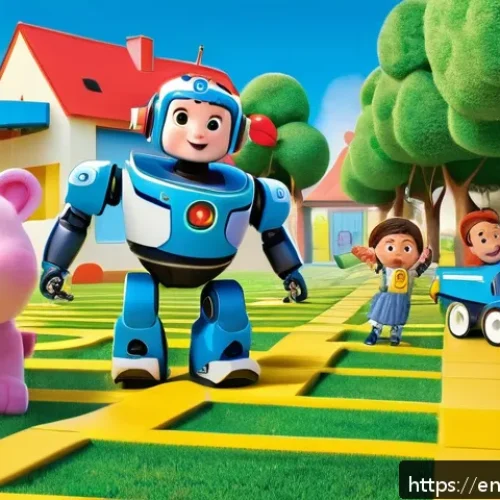
The sketches also explored how characters’ poses and movement styles communicate personality. Poli’s upright and alert posture contrasts with Helly’s more playful and flexible forms, reflecting their differing roles within the team.
This physicality adds another dimension to character development beyond just appearance. It’s something I’ve noticed in many successful animations—movement can say as much about a character as dialogue or facial expressions, and Robocar Poli’s early art captures this beautifully.
Impact of Early Sketches on Animation Quality
Foundation for Smooth Animation
The detailed early sketches provided animators with a solid blueprint, ensuring smooth transitions and consistent character designs throughout episodes.
By having clear proportions and defined features from the start, animators could focus more on fluidity and expression rather than fixing design inconsistencies.
This foundational work is essential in producing a polished final product, and it’s evident in how seamlessly Robocar Poli’s characters move and interact on screen.

Adaptability Across Media Platforms
The original character concepts were versatile enough to adapt beyond the TV series into merchandise, apps, and games. The clear, simple shapes and bold colors make the characters easily recognizable in various formats, from toys to mobile screens.
I think this adaptability comes from the strong design principles laid out in the sketches, which balance detail with simplicity. It’s a clever strategy that boosts the franchise’s reach and longevity by creating a cohesive brand image across different media.
Encouraging Viewer Engagement Through Design
Early sketches also aimed to foster viewer engagement by making characters visually appealing and relatable. The expressive eyes, approachable shapes, and bright colors invite children to connect emotionally, which keeps them invested in the stories.
Based on my experience with animation, this connection is crucial for building a loyal audience. Robocar Poli’s art team succeeded in crafting characters that not only entertain but also encourage empathy and learning, which elevates the show beyond simple entertainment.
Comparative Overview of Character Design Features
| Character | Original Sketch Traits | Final Design Features | Personality Conveyed |
|---|---|---|---|
| Poli (Police Car) | Angular body, minimal facial features, muted blue | Rounded edges, large eyes, bright blue, confident posture | Brave, authoritative, dependable |
| Amber (Ambulance) | Simplistic shape, subtle facial hints, pale colors | Softer curves, expressive eyes, vibrant pink, nurturing stance | Caring, gentle, supportive |
| Roy (Fire Truck) | Heavy, blocky frame, minimal expression | Balanced bulkiness, clear facial expressions, fiery red, energetic | Strong, courageous, lively |
| Helly (Helicopter) | Compact, mechanical look, basic facial cues | Streamlined, playful eye shapes, bright green, dynamic poses | Cheerful, curious, agile |
Creative Challenges and Solutions in Early Development
Maintaining Consistency Across Episodes
One major challenge was ensuring the characters looked consistent throughout multiple episodes and scenes. The early sketches served as a reference guide, but as the show progressed, minor tweaks were inevitable.
The art team developed detailed model sheets and guidelines to keep character proportions and colors uniform. From what I’ve seen in animation production, this kind of consistency is critical for maintaining immersion and avoiding viewer distraction.
The Robocar Poli team’s meticulous approach reflects their commitment to quality.
Balancing Simplicity with Detail
Another creative hurdle was deciding how much detail to include without overwhelming young viewers. Early sketches sometimes leaned toward more complex designs, but feedback indicated that simplicity aided recognition and memorability.
The design team struck a balance by focusing on key features—like eyes and color blocks—while minimizing extraneous details. This approach aligns with best practices in children’s animation, where clarity often trumps intricacy, making the characters easier to animate and relate to.
Adapting to Technological Constraints
During the early stages, the team had to adapt their designs to fit the technological limitations of animation software and broadcasting standards. Some sketch details had to be simplified or stylized to ensure smooth rendering and quick production cycles.
I appreciate how this necessity pushed the designers to innovate creatively, finding ways to maintain character charm despite technical restrictions. It’s a reminder that constraints often spark unique creative solutions rather than stifle them.
Influence of Cultural and Educational Goals on Design
Designing for a Global Audience
Robocar Poli was crafted with an international audience in mind, so the original sketches reflect a thoughtful approach to universal appeal. The characters avoid culturally specific symbols that might confuse or alienate viewers from different backgrounds.
Instead, they use globally recognizable vehicle types and friendly, neutral expressions. This strategy not only broadens the show’s reach but also fosters inclusivity, which is essential in children’s programming.
From my perspective, this global-minded design is part of what makes Robocar Poli so enduring.
Embedding Educational Values Visually
The design team also embedded educational messaging directly into the characters’ appearances. For example, the police car’s authoritative look subtly communicates safety and order, while the ambulance’s warm colors and gentle lines emphasize care and health.
These visual cues reinforce the show’s lessons about teamwork, safety, and responsibility without needing explicit explanation. It’s a clever use of design that enhances learning through engagement, something I find particularly impressive in children’s media.
Encouraging Positive Role Models Through Character Design
Each character’s design promotes positive traits that children can emulate, such as bravery, kindness, and cooperation. The original sketches show an intentional effort to create heroes who are not just entertaining but also aspirational.
By giving each character a distinct yet relatable look, the creators invite children to identify with their favorite team members and absorb their values.
This thoughtful approach to design highlights how animation can influence social and emotional development, which is a powerful aspect of Robocar Poli’s success.
Conclusion
The evolution of Robocar Poli’s character design showcases a thoughtful blend of creativity and functionality, crafted to resonate with young audiences worldwide. Through careful adjustments in shape, color, and expression, the characters became relatable and memorable heroes. This process highlights the importance of design in storytelling and educational impact, making the series a lasting favorite among children and parents alike.
Useful Information to Know
1. Character design in children’s animation balances realism and simplicity to engage young viewers effectively.
2. Bright and distinct color palettes help children quickly recognize and connect with characters.
3. Expressive facial features and movement styles play a key role in conveying personality and emotions.
4. Consistency in design across episodes is essential for maintaining immersion and brand identity.
5. Educational and cultural considerations are integrated into design to promote positive values and inclusivity.
Key Takeaways
Robocar Poli’s design journey emphasizes the significance of combining artistic experimentation with practical constraints to create appealing characters. The team’s focus on clear visual cues, emotional expressiveness, and adaptability ensures the series’ success across multiple platforms. Moreover, embedding educational messages within design elements reinforces the show’s role as both entertainment and a learning tool, setting a strong example for children’s programming worldwide.
Frequently Asked Questions (FAQ) 📖
Q: uestions about the Origins of Robocar PoliQ1: What inspired the original character designs of Robocar Poli?
A: The original designs were inspired by a blend of real-life emergency vehicles and friendly, approachable cartoon aesthetics. The creators wanted each character to be instantly recognizable yet relatable to children, emphasizing bright colors and expressive faces.
This thoughtful mix helps convey safety and teamwork, which are core themes of the show.
Q: How did the initial sketches evolve into the final animated characters?
A: The early sketches went through multiple iterations, focusing on balancing mechanical details with warm, inviting features. Feedback from child focus groups played a crucial role, ensuring that the characters weren’t too complex or intimidating.
Over time, the designs were simplified and stylized to enhance animation fluidity while preserving their unique personalities.
Q: Why is understanding the original sketches important for fans of Robocar Poli?
A: Knowing the story behind the sketches deepens appreciation for the show’s artistry and message. It reveals the care taken to create characters that teach valuable lessons through engaging visuals.
For fans, it’s a reminder that behind every beloved character is a creative journey filled with passion and purpose, making the viewing experience richer and more meaningful.