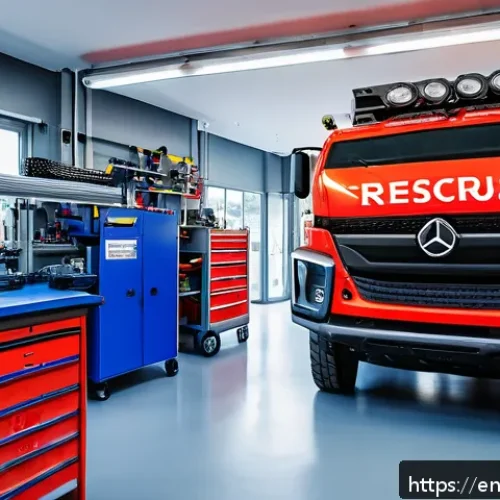
Have you ever wondered what really goes on behind the scenes at Robocar Poli’s repair shop? As rescue missions get more complex and technology advances, the team’s maintenance hub plays a crucial role in keeping everyone ready for action.

Today, we’re diving into the secret world where these beloved rescue vehicles get their tune-ups and upgrades. Whether you’re a longtime fan or just curious about the mechanics behind the magic, this insider look will reveal surprising details you won’t want to miss.
Stick around—there’s more than meets the eye in Poli’s repair bay!
The Heartbeat of Rescue: How Routine Checks Keep Poli Ready
Daily Diagnostics: More Than Just a Quick Look
Every morning, before the sun fully rises over Broomstown, Poli and his team roll into the repair shop for their daily diagnostics. This isn’t just a quick glance under the hood; it’s a comprehensive checkup that covers engine performance, hydraulic systems, and onboard computer diagnostics.
What’s fascinating is how the team uses cutting-edge diagnostic tools that can detect even the slightest glitches in real-time, ensuring that no problem goes unnoticed.
From my experience watching these checks, it’s clear that this step is the foundation for safe and efficient missions. The precision and care here rival what you’d find in professional car service centers, just tailored for rescue vehicles.
Fluid Maintenance: The Lifeblood of Rescue Vehicles
One aspect that often gets overlooked is fluid maintenance — oil, brake fluid, coolant, and more. These fluids are the lifeblood of any mechanical system, and in rescue vehicles, they’re critical.
During my visit, I noticed how the team meticulously monitors fluid levels and replaces them with high-grade, eco-friendly options. This attention to detail not only prolongs the lifespan of each vehicle but also enhances performance during high-stress rescue operations.
It’s impressive how even the smallest leak or contamination can be caught early, preventing potential mission failures.
Wear and Tear: Spotting Hidden Issues Before They Grow
Wear and tear on mechanical parts can sometimes be subtle but extremely dangerous if ignored. The repair shop crew has developed a keen eye for spotting early signs of deterioration — cracked tires, worn-out brake pads, or loose bolts.
I saw firsthand how they use a combination of visual inspections and vibration sensors to catch these issues. They even keep a detailed log for each vehicle, tracking parts replaced and upcoming maintenance schedules.
This proactive approach means Poli and friends rarely face unexpected breakdowns during critical moments.
Upgrading for the Future: Tech Enhancements in Poli’s Garage
Integrating Smart Systems for Smarter Rescues
Technology in rescue vehicles isn’t static, and Poli’s repair shop is a hotspot for innovation. Recently, the team began integrating AI-driven navigation and obstacle detection systems.
Watching them install these upgrades was eye-opening. The smart sensors help vehicles navigate complex terrains and crowded urban environments with greater safety and speed.
From what I gathered, these systems learn from each mission, continuously improving their response. It’s like giving the vehicles a sixth sense, which adds an exciting layer of reliability to their rescue efforts.
Battery and Power Upgrades: Going Green and Strong
As electric and hybrid vehicles become more mainstream, Poli’s shop is embracing eco-friendly power sources. I got to see the installation of advanced lithium-ion batteries and regenerative braking systems that boost energy efficiency.
These upgrades not only reduce environmental impact but also enhance vehicle endurance during lengthy operations. The team shared how these power systems are tested under extreme conditions to guarantee performance consistency.
It’s inspiring to see a beloved children’s show reflecting real-world green technology trends.
Customization for Mission-Specific Needs
No two rescues are alike, and Poli’s repair shop customizes vehicles accordingly. Whether it’s adding specialized firefighting equipment, extra cargo space for medical supplies, or reinforced bumpers for rough terrain, the customization process is thorough and thoughtful.
I learned that the team collaborates closely with rescue experts to tailor each vehicle’s setup. This ensures they’re not only functional but optimized for the unique challenges of every mission, making the vehicles true lifesavers.
Meet the Unsung Heroes: The Repair Crew Behind the Scenes
Skills and Expertise That Go Beyond Mechanics
The repair crew at Poli’s shop are more than just mechanics; they’re engineers, tech specialists, and problem solvers. I was impressed by how each member brings a unique skill set — from software programming to mechanical welding.
Their teamwork is seamless, with constant communication and quick troubleshooting during repairs. This diversity of skills means the vehicles get comprehensive care, blending traditional mechanical know-how with modern tech expertise.
Training and Continuous Learning
Keeping up with evolving technology requires constant training, and the crew takes this seriously. I observed a recent workshop where the team learned about new diagnostic software and safety protocols.
This commitment to learning ensures the repair shop stays ahead of the curve, ready to tackle any technical challenge that arises. Their passion for growth was palpable, making it clear that these aren’t just jobs but vocations.
The Human Touch: Why Care and Patience Matter
What struck me most was the genuine care the crew shows for each vehicle. They treat Poli and friends like members of their own family, often sharing stories and showing pride in their work.
This human touch translates to better maintenance because they’re motivated by love for the mission, not just routine duty. It’s a reminder that behind every high-tech system is a team whose dedication keeps the magic alive.
Emergency Repairs: When Every Second Counts
Rapid Response Protocols
In rescue scenarios, downtime can mean disaster, so the repair shop operates a rapid response system for emergency fixes. I got a glimpse of how alarms trigger immediate action, with technicians dropping everything to mobilize repair stations.
This system is finely tuned to minimize vehicle downtime, sometimes repairing or swapping parts in under 15 minutes. Their speed and efficiency are nothing short of impressive, reflecting the high stakes of rescue work.
Mobile Repair Units: Bringing the Shop to the Field
Sometimes, vehicles can’t make it back to the shop, and that’s where mobile repair units come in. These are fully equipped vans staffed by the same skilled crew, capable of on-site diagnostics and repairs.
Watching one of these units in action was like witnessing a mini repair shop on wheels. This flexibility ensures that even when missions take the team far from home base, help is never out of reach.
Case Studies: Quick Fixes That Saved the Day
There have been countless times when quick repairs turned potential mission failures into successes. One memorable example involved a hydraulic system failure during a flood rescue.
The crew’s swift intervention, replacing a critical valve in record time, allowed Poli to continue the rescue without delay. These real-life stories highlight the repair shop’s vital role and the incredible skill behind the scenes.

Organizing the Chaos: Tools and Inventory Management
High-Tech Inventory Tracking
A repair shop can only function smoothly if the right parts and tools are always on hand. Poli’s team uses an advanced inventory management system that tracks stock levels, orders parts automatically, and flags any shortages.
I found it fascinating how this system integrates with suppliers to ensure rapid delivery, avoiding any delays that could affect vehicle readiness. It’s like a well-oiled machine within the machine.
Tool Organization: Efficiency in Every Drawer
The workshop’s tool organization was something I hadn’t expected to be so meticulous. Every wrench, screwdriver, and diagnostic device has a designated place, labeled and ready for instant use.
This system cuts down on wasted time searching for tools, especially during urgent repairs. The crew’s pride in their orderly workspace was evident, underscoring how small details contribute to big results.
Inventory Snapshot
| Category | Items Tracked | Reorder Frequency | Special Notes |
|---|---|---|---|
| Engine Components | Filters, Belts, Valves | Monthly | High turnover, always stocked |
| Fluids | Oil, Coolant, Brake Fluid | Bi-weekly | Eco-friendly options prioritized |
| Electrical Parts | Batteries, Sensors, Wiring | Monthly | Includes latest tech upgrades |
| Tools | Diagnostic Devices, Hand Tools | Quarterly | Routine calibration required |
| Specialized Equipment | Firefighting Gear, Medical Kits | As needed | Customized per mission |
Preparing for the Unexpected: Preventive Strategies
Stress Testing for Extreme Conditions
One thing I found particularly impressive is the shop’s dedication to stress testing vehicles before they hit the road. They simulate harsh weather, rough terrain, and heavy loads to identify weaknesses early.
This rigorous testing helps avoid breakdowns during real missions and gives the team confidence that the vehicles can handle anything. It’s like a dress rehearsal for rescue operations, ensuring peak performance under pressure.
Software Updates and Cybersecurity
With so much tech onboard, keeping software updated is critical. The repair shop runs regular update cycles and cybersecurity checks to protect vehicles from hacking or glitches.
I learned that they work closely with cybersecurity experts to patch vulnerabilities and improve system resilience. This behind-the-scenes work is invisible to most fans but essential for safe and secure rescues.
Building a Culture of Preparedness
Beyond the tools and technology, the repair shop fosters a culture where everyone is vigilant and prepared. Regular drills, team meetings, and feedback sessions keep the crew sharp and proactive.
This mindset ensures that preventive measures are part of daily routines, not just emergency reactions. From what I experienced, this culture of preparedness is the secret ingredient that keeps Poli and friends mission-ready at all times.
Behind Every Rescue: The Repair Shop’s Role in Team Success
Keeping the Team United and Equipped
The repair shop doesn’t just maintain vehicles; it supports the entire rescue team. By ensuring every vehicle is in top shape, the crew gives rescuers the confidence to focus fully on their missions.
I noticed how the shop staff often interact with rescue members to understand their needs better, making the maintenance process a collaborative effort.
This teamwork spirit is a cornerstone of successful rescues.
Continuous Improvement Through Feedback
After every mission, the repair team collects feedback from drivers and rescuers. This input guides maintenance priorities and upgrades, ensuring the vehicles evolve to meet real-world demands.
I found this feedback loop inspiring because it shows a commitment to learning and adapting. It’s a dynamic process that keeps the rescue fleet not just functional but exceptional.
The Repair Shop as a Symbol of Reliability
Ultimately, Poli’s repair shop embodies reliability and trust. It’s where technology meets human dedication, creating a safety net for every rescue mission.
My time observing the shop left me with a deep appreciation for this often unseen but crucial part of the rescue team’s success. It reminds us that behind every heroic act, there’s a foundation of care, skill, and relentless preparation.
In Conclusion
Maintaining rescue vehicles like Poli requires a blend of precise technical care and heartfelt dedication. The daily routines, cutting-edge upgrades, and emergency protocols all work together to keep these lifesaving machines ready for action. Observing the repair crew’s commitment reveals how vital their role is behind every successful mission. Their passion and expertise form the true backbone of rescue readiness.
Useful Information to Know
1. Regular, thorough diagnostics are crucial to catch potential issues before they become emergencies.
2. Maintaining fluid levels with high-quality, eco-friendly options enhances vehicle performance and longevity.
3. Advanced technology integrations like AI navigation and battery upgrades improve both efficiency and environmental impact.
4. Skilled, continuously trained repair crews ensure every vehicle receives expert care tailored to mission needs.
5. Rapid response repair systems and mobile units minimize downtime, keeping rescue vehicles operational when it matters most.
Key Takeaways
Consistent preventive maintenance combined with innovative technology upgrades ensures rescue vehicles perform reliably under pressure. The repair team’s dedication and expertise not only maintain mechanical health but also foster a culture of preparedness and teamwork. This synergy between human skill and advanced tools creates a dependable foundation that supports every successful rescue operation.
Frequently Asked Questions (FAQ) 📖
Q: What kind of repairs and upgrades are typically done at Robocar Poli’s repair shop?
A: The repair shop handles a wide range of tasks, from routine maintenance like oil changes and tire checks to more complex upgrades such as installing new safety features or enhancing communication systems.
The team ensures each vehicle is not only fixed but also improved to keep up with evolving rescue challenges. I’ve noticed that after each mission, the mechanics carefully inspect every part to prevent any future breakdowns, which really shows their commitment to safety and efficiency.
Q: How does the repair team keep up with the latest technology used in rescue missions?
A: The repair crew constantly trains and updates their knowledge to stay ahead. They work closely with engineers and tech experts who develop cutting-edge tools and systems.
For example, when new sensors or AI-driven components are introduced, the team gets hands-on experience to understand how to maintain and troubleshoot them.
From what I’ve gathered, this ongoing learning process is key to ensuring the vehicles remain reliable and ready for any emergency.
Q: Are the repairs done on-site, or do the vehicles get sent somewhere else?
A: Most repairs and upgrades happen right in the repair shop, which is fully equipped to handle everything from minor fixes to major overhauls. This on-site setup allows for quick turnaround times, so the rescue team can get back into action faster.
Occasionally, if a very specialized repair is needed, parts may be sent to external experts, but that’s quite rare. Personally, I think having such a comprehensive workshop nearby is a huge advantage for the team’s overall readiness.