In today’s ever-growing world of children’s animation, two series have captured young hearts worldwide: Robocar Poli and Tayo the Little Bus. As parents and caregivers seek engaging yet educational content, these shows stand out with their unique characters and valuable life lessons.

With recent updates and fresh episodes keeping fans hooked, it’s the perfect time to explore what makes each series so special. Whether your child prefers rescue missions or city adventures, understanding their appeal can help you choose the right fit.
Let’s dive into the colorful worlds of Poli and Tayo to see which one truly drives kids’ imaginations faster.
Character Appeal and Personality Traits
Distinctive Roles and Personalities
Robocar Poli and Tayo the Little Bus both feature a cast of charming vehicles, but their characters bring unique flavors that resonate differently with young viewers.
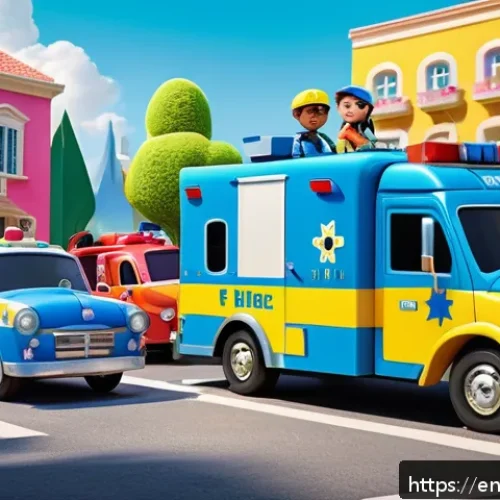
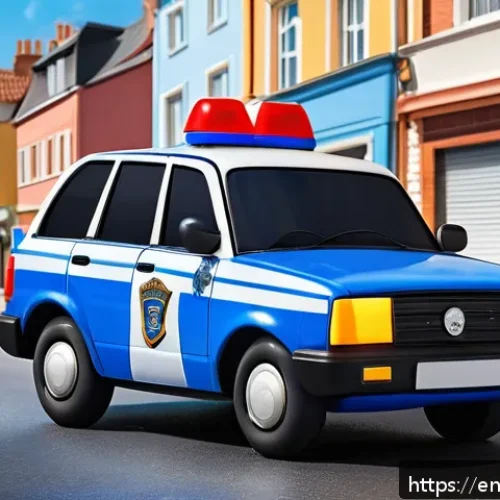
In Robocar Poli, each character embodies a specific emergency role—like Poli the police car, Roy the fire truck, Amber the ambulance, and Helly the helicopter—offering kids clear examples of teamwork and responsibility in crisis situations.
Their personalities are crafted to reflect bravery, kindness, and quick thinking, which subtly teaches children about safety and helping others. On the other hand, Tayo’s characters are city buses with diverse personalities that reflect everyday social situations.
Tayo is curious and sometimes mischievous, Gani is friendly and optimistic, while Lani is calm and considerate. This diversity in personalities encourages children to understand friendship dynamics and social behaviors in a relatable urban context.
Relatability and Emotional Connection
One of the reasons these shows hook children is how relatable the characters feel. Robocar Poli’s focus on rescue missions makes the characters heroes in the eyes of kids, inspiring admiration and a sense of security.
Kids often imagine themselves in the middle of daring rescues, which fuels their imagination and problem-solving skills. Conversely, Tayo the Little Bus captures the day-to-day experiences of going to school, meeting friends, and learning about city life, which many children find comforting and familiar.
This grounded approach helps kids develop empathy and social understanding through the characters’ interactions, making Tayo a great pick for parents wanting to nurture social skills.
Visual and Vocal Design
The visual design of characters in both series plays a huge role in their appeal. Robocar Poli’s characters are sleek and brightly colored, with expressive faces that convey emotion vividly, making it easy for young kids to pick up on feelings and intentions.
The voices are energetic and clear, adding to the excitement of rescue adventures. Tayo’s design leans toward a softer, more rounded look, with a palette that reflects real city buses but still remains playful.
The voices in Tayo are warm and friendly, often using everyday language that children can easily understand and imitate, which helps build language skills naturally.
Educational Themes and Life Lessons
Safety and Civic Awareness in Robocar Poli
Robocar Poli’s primary educational strength lies in teaching safety awareness and community responsibility. Each episode is carefully crafted around scenarios that involve traffic rules, emergency responses, and cooperation among community members.
Children learn not just about the importance of obeying rules but also about the value of courage and teamwork. The show subtly incorporates messages about environmental care and kindness, reinforcing positive behavior in a fun and engaging way.
I’ve noticed that kids watching Poli tend to recall safety tips more easily because they see the characters actively practicing them during exciting missions.
Social Skills and Emotional Intelligence in Tayo
Tayo the Little Bus takes a more social and emotional angle in its lessons. The series emphasizes friendship, sharing, patience, and understanding others’ feelings through everyday challenges the buses face.
It’s a gentle introduction to emotional intelligence, helping kids recognize and express their emotions while considering others’. Parents often tell me that their children start using phrases from the show when dealing with conflicts or sharing toys, which speaks volumes about its impact.
The real-life city setting also encourages curiosity about the world, sparking questions about transportation, community roles, and urban life.
Balancing Fun and Learning
Both series strike a balance between entertainment and education, but in different ways. Robocar Poli’s fast-paced rescue scenarios keep kids on the edge of their seats while embedding practical knowledge about safety and problem-solving.
Tayo’s slower, more dialogue-driven approach allows kids to absorb social lessons at a comfortable pace, making it ideal for younger or more sensitive viewers.
From personal experience, mixing episodes from both shows can create a well-rounded viewing experience that nurtures both cognitive skills and emotional growth.
Animation Style and Production Quality
Technical Sophistication and Visual Appeal
When it comes to animation quality, both shows shine but exhibit distinct styles. Robocar Poli employs vivid 3D animation with smooth movements and detailed environments that bring the rescue missions to life.
The visual effects, like flashing lights and water splashes, enhance the excitement and realism, making the action scenes more immersive. Tayo the Little Bus uses a slightly softer 3D animation style that focuses on bright colors and simple shapes, which is perfect for younger viewers who prefer clear and uncluttered visuals.
The production quality in both series reflects high standards, but Poli tends to have more dynamic scenes due to its action-oriented plots.
Sound Design and Musical Elements
Sound is a key component in keeping kids engaged, and both shows excel here. Robocar Poli features energetic background music that ramps up tension during rescues and calming tunes during reflective moments.
The sound effects, like sirens and engine noises, are realistic and add to the immersive experience. Tayo the Little Bus opts for cheerful, catchy songs that kids love to sing along with.
The voice actors deliver their lines with warmth and clarity, making it easy for children to follow the story and pick up new vocabulary. In my experience, the songs from Tayo often stick in kids’ heads, providing a fun way to reinforce language learning.
Consistency and Episode Structure
Both series maintain a consistent episode length and structure that suits young attention spans. Episodes typically run about 10 to 15 minutes, which is ideal for preschool and early elementary children.

Robocar Poli episodes often start with a problem, followed by teamwork to solve it, and end with a positive resolution and safety reminder. Tayo episodes usually revolve around everyday events and social interactions, concluding with a moral or lesson about friendship or community.
This predictability helps kids anticipate and understand story flow, which is great for developing narrative skills.
Global Reach and Cultural Adaptation
Localization Strategies and Language Versions
Both Robocar Poli and Tayo the Little Bus have achieved impressive global reach by localizing content for different markets. Robocar Poli has been dubbed into multiple languages, including English, Spanish, and Arabic, often adjusting cultural references to fit local norms without losing the core message.
Tayo also embraces localization, especially in urban settings, by incorporating recognizable cityscapes and relatable social situations for international audiences.
This adaptability is key to their popularity, as kids can see their own world reflected on screen, making the lessons more meaningful and engaging.
Merchandising and Brand Presence
The merchandising efforts behind these series significantly boost their visibility and fan engagement. Robocar Poli offers a wide range of toys, books, and safety gear that tie directly into the show’s themes, allowing kids to reenact rescue missions at home.
Tayo’s merchandise focuses on buses, playsets, and themed apparel, which complement its urban adventure vibe. From what I’ve seen, children often develop a stronger attachment to the characters through these tangible products, deepening their connection and encouraging imaginative play that reinforces the shows’ lessons.
Community and Fan Engagement
Online communities and fan events have played a big role in both series’ success. Robocar Poli frequently hosts safety-themed campaigns and interactive content, inviting kids to participate in challenges that promote good habits.
Tayo the Little Bus engages fans through social media with fun quizzes, coloring pages, and city-themed activities that keep the excitement alive between episodes.
Parents appreciate these initiatives because they offer educational value beyond passive watching. Personally, I’ve noticed that children who interact with these additional resources tend to retain more knowledge and demonstrate improved social behaviors.
Comparing Core Educational Messages
| Aspect | Robocar Poli | Tayo the Little Bus |
|---|---|---|
| Primary Focus | Safety, teamwork, emergency response | Friendship, social skills, everyday life |
| Age Target | Preschool to early elementary (3-7 years) | Preschool to early elementary (3-7 years) |
| Episode Length | 12-15 minutes | 10-15 minutes |
| Animation Style | Vivid, dynamic 3D with detailed effects | Soft, colorful 3D with simple shapes |
| Educational Approach | Problem-solving through rescue missions | Emotional intelligence and social situations |
| Merchandising | Safety gear, toys, books | Buses toys, playsets, apparel |
Parental Feedback and Viewing Recommendations
Insights from Parents and Caregivers
Many parents report that Robocar Poli helps their kids become more aware of safety and encourages a proactive attitude toward helping others. The show’s clear messaging about rules and consequences often sparks conversations about real-life safety practices at home or in public spaces.
Conversely, Tayo the Little Bus is praised for its gentle, relatable stories that support emotional growth and social understanding. Parents often mention that their children imitate phrases from Tayo when interacting with siblings or friends, indicating the show’s impact on communication skills.
Choosing the Right Show for Your Child
Deciding between Robocar Poli and Tayo depends largely on what you want your child to gain from their screen time. If your priority is teaching safety, teamwork, and emergency awareness, Robocar Poli offers thrilling scenarios that make these lessons memorable.
If fostering social skills, empathy, and everyday problem-solving is more important, Tayo’s down-to-earth stories provide a nurturing environment. I’ve found that rotating between the two series keeps kids engaged and benefits them holistically, combining cognitive learning with emotional development.
Tips for Maximizing Educational Value
To get the most out of either show, parents can watch episodes together with their children and discuss the themes afterward. Asking questions like “What would you do in that situation?” or “How did the characters help each other?” encourages critical thinking and reinforces lessons.
Incorporating related activities, such as role-playing rescue missions or practicing sharing and patience, can deepen understanding. Personally, I’ve seen that this active involvement not only boosts retention but also strengthens parent-child bonds through shared experiences.
Conclusion
Both Robocar Poli and Tayo the Little Bus offer valuable lessons wrapped in entertaining stories that captivate young audiences. Whether focusing on safety and teamwork or social skills and emotional growth, these shows provide meaningful content that supports children’s development. Watching them thoughtfully can enrich a child’s learning experience while keeping screen time enjoyable and engaging.
Helpful Information
1. Watching episodes together with your child enhances understanding and creates bonding opportunities.
2. Role-playing scenarios from the shows can reinforce lessons in a fun, interactive way.
3. Regularly discussing the characters’ choices encourages critical thinking and empathy.
4. Combining both series offers a balanced mix of cognitive and emotional learning.
5. Utilizing related merchandise can deepen engagement and imaginative play.
Key Takeaways
Choosing between Robocar Poli and Tayo depends on your child’s developmental needs—whether it’s learning about safety and teamwork or social interaction and emotional intelligence. Both series maintain high production quality and relatable characters that foster strong connections with young viewers. Parental involvement in watching and discussing episodes greatly amplifies the educational benefits, making these shows excellent tools for early childhood growth.
Frequently Asked Questions (FAQ) 📖
Q: What educational benefits do Robocar Poli and Tayo the Little Bus offer to young children?
A: Both Robocar Poli and Tayo the Little Bus provide valuable educational content, but in slightly different ways. Robocar Poli focuses on safety lessons, teamwork, and problem-solving through rescue missions, which helps children learn about responsibility and caring for others.
On the other hand, Tayo the Little Bus emphasizes friendship, cooperation, and understanding city life, making it great for teaching social skills and everyday manners.
From my experience watching these shows with kids, they not only enjoy the colorful animation but also pick up important life lessons without it feeling like a lesson.
Q: Which show is more suitable for toddlers versus older preschoolers?
A: If your child is a toddler, Tayo the Little Bus might be more appealing because of its simple storylines, cheerful music, and relatable everyday scenarios.
It’s easy for little ones to follow and enjoy. For older preschoolers, Robocar Poli offers more complex plots involving teamwork and safety challenges, which can engage their growing curiosity and problem-solving skills.
Personally, I’ve noticed that kids around 4 to 6 years old tend to get more excited about Poli’s rescue adventures, while younger kids love Tayo’s friendly bus characters.
Q: Are there any recent updates or new episodes that parents should know about?
A: Yes, both series have kept their content fresh with new episodes and special features. Robocar Poli has recently introduced more diverse characters and storylines that touch on environmental awareness and community help, which adds a modern twist to the classic rescue missions.
Tayo the Little Bus has expanded its city adventures with episodes featuring new locations and fun challenges, keeping the show dynamic and engaging. From what I’ve seen, these updates help maintain kids’ interest and also give parents peace of mind that the content stays relevant and educational.