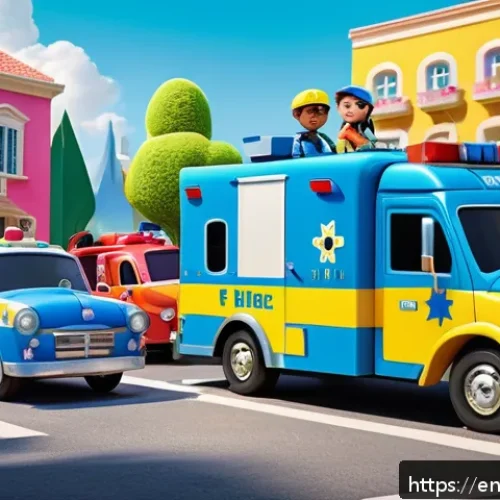
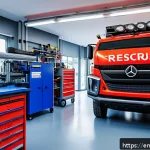
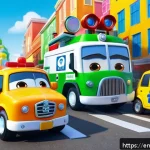
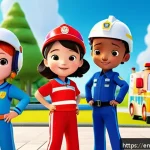
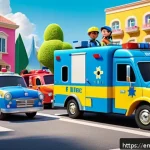
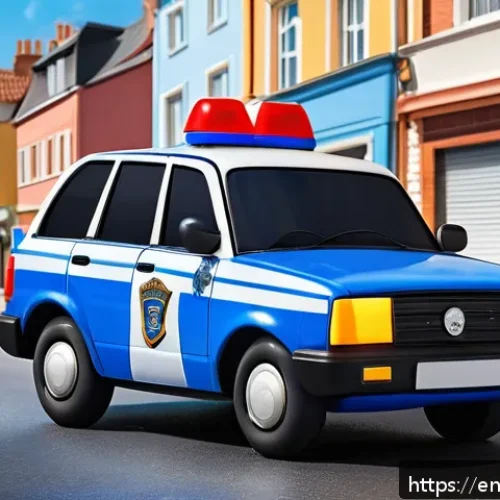
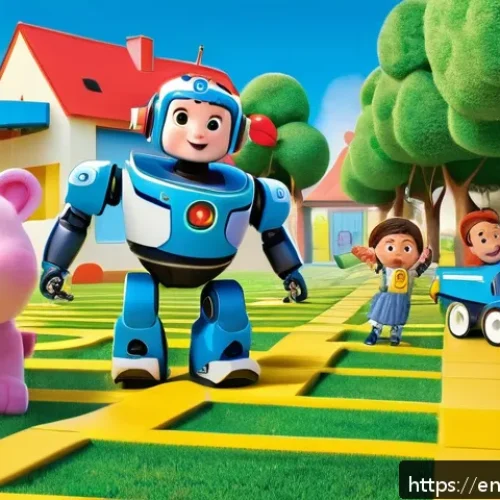
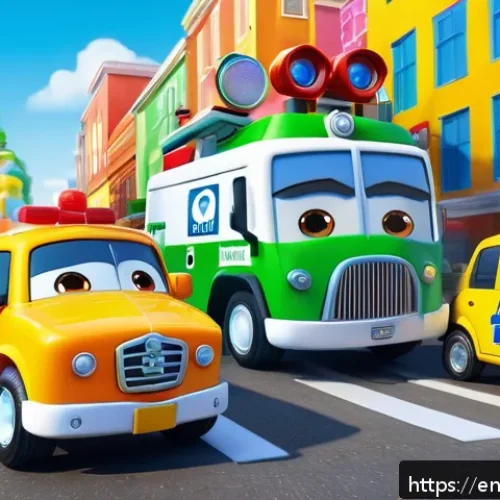
Robocar Poli stands out in the world of children’s animation thanks to its unique design elements that capture both imagination and functionality. Each character blends vibrant colors with mechanical details, creating a perfect harmony between playful appeal and realistic engineering.

This thoughtful design not only entertains but also subtly educates young viewers about teamwork and safety. What truly sets Robocar Poli apart is how its visuals engage kids without overwhelming them, making every episode a visual treat.
Let’s dive deeper and explore exactly what makes its design so distinctive and captivating!
The Balance of Playfulness and Precision
Color Choices That Spark Curiosity
The way the characters in this show use color is nothing short of genius. Each vehicle bursts with bright, inviting hues that instantly grab a child’s attention, yet these colors are carefully chosen to avoid overstimulation.
For example, Poli’s signature blue is calming and trustworthy, while Amber’s pink adds warmth and friendliness. This palette doesn’t just make the characters fun to look at; it subtly encourages kids to associate colors with emotions and personalities.
From my experience watching episodes with my nephew, I noticed how these colors help him remember each character and their unique traits without getting confused or distracted.
Mechanical Details That Feel Real
What really struck me about the design is the integration of realistic mechanical parts—like wheels, hinges, and headlights—without sacrificing the charm of the characters.
These elements are simplified but believable, making the robots feel like they could actually transform and move in the real world. It’s a smart nod to engineering that even young children can appreciate on some level.
I found myself explaining to my niece how certain parts work, turning screen time into a mini science lesson. It’s rare to find a kids’ show that manages to sneak in educational content so seamlessly through design.
Character Silhouettes That Stick
Another subtle but powerful design choice is the distinct silhouette of each character. Whether it’s the compact and sturdy frame of Poli or the sleeker shape of Roy, these outlines make it easy for kids to identify who’s who from a distance or even in quick flashes during action scenes.
This kind of visual clarity is crucial for younger viewers who are still developing their recognition skills. Personally, I’ve seen how this helps children stay engaged and follow the story more easily, even if they’re watching casually or multitasking.
Visual Storytelling Through Design Elements
Expressive Faces That Convey Emotion
One of the aspects that make the characters relatable is how their faces are designed to express a range of emotions. The eyes, eyebrows, and mouths are animated with exaggerated movements that clearly communicate feelings like happiness, concern, or determination.
This helps children understand emotional cues without needing complex dialogue. When I watched an episode where Poli showed worry about a friend, my little cousin immediately picked up on that and asked if Poli was sad, showing how effective this visual storytelling is.
Use of Light and Shadow to Create Depth
The show’s designers don’t just rely on flat colors; they skillfully use light and shadow to add depth and dimension to the characters and environments.
This technique makes scenes feel more immersive and dynamic, which keeps kids visually stimulated without overwhelming them. For instance, during rescue missions, the shadows and highlights shift realistically, enhancing the urgency and excitement.
Watching these moments unfold, I found myself appreciating the artistry behind what looks like simple animation on the surface.
Backgrounds That Complement, Not Compete
Unlike many children’s shows that clutter the screen with busy backgrounds, this series opts for clean, simple settings that highlight the characters.
The backgrounds use softer colors and minimal details, ensuring that kids focus on the action and lessons rather than getting distracted. This design choice enhances comprehension and keeps the pacing smooth.
I noticed that during episodes, my nephew’s attention stayed glued to the screen, likely because the backgrounds supported rather than competed with the main story.
Designing for Engagement and Learning
Encouraging Teamwork Through Visual Grouping
The show’s design cleverly groups characters in ways that reinforce teamwork and cooperation. When the team comes together, their colors and shapes complement each other visually, symbolizing unity.
This isn’t accidental; it’s a thoughtful approach to subtly teach kids the value of working together. Observing my niece’s reactions, I saw how she naturally cheered for the team as a whole rather than just individual characters, which is a testament to the power of this visual strategy.
Safety Messaging Embedded in Design
Safety is a recurring theme, and it’s reinforced visually through design elements like reflective stripes, clear signaling lights, and safe vehicle shapes.
These details aren’t just decorative; they model real-world safety practices that kids can recognize and emulate. I’ve caught myself pointing these out during episodes, turning entertainment into practical lessons about road and personal safety.
This hands-on approach makes the learning experience feel natural and memorable.
Dynamic Movement That Feels Authentic
The animation style complements the design by giving each character fluid, believable movement that matches their mechanical nature. Watching the characters transform and move with realistic physics adds excitement without losing the playful tone.
This balance keeps kids engaged and entertained while subtly reinforcing concepts of motion and mechanics. From personal experience, I noticed how this helped my nephew stay focused, as the action sequences felt both thrilling and understandable.
Character Design Reflecting Personality and Role

Distinctive Features That Define Roles
Each character’s design is tailored to their role in the team. For example, Roy’s larger, more robust build reflects his role as the heavy-duty rescue vehicle, while Helly’s helicopter design emphasizes agility and aerial support.
These visual cues help children immediately grasp what each character does without needing explicit explanations. I remember explaining to my niece how Roy’s strong frame meant he could help with big jobs, which made the show even more interactive and fun.
Facial Expressions Matching Character Traits
The characters’ facial designs go beyond basic emotions; they also reinforce personality traits. Poli’s friendly smile and wide eyes make him approachable and brave, while Amber’s gentle expressions highlight her caring nature.
These nuances add depth, making each character feel like a real friend rather than just a cartoon. Watching this unfold, I felt the emotional connection my nephew formed with the characters, which speaks volumes about the design’s effectiveness.
Consistency Across Episodes to Build Familiarity
Consistency in design helps build a strong visual identity that kids can rely on. The characters maintain their look and feel from episode to episode, which fosters familiarity and comfort.
This is particularly important for young viewers who thrive on routine and recognition. I noticed that this consistency also made it easier for children to pick up on new stories and lessons because they weren’t distracted by design changes or inconsistencies.
Integrating Technology and Imagination
Futuristic Yet Accessible Design
The show strikes a brilliant balance between futuristic technology and child-friendly design. The vehicles look advanced enough to inspire awe but remain simple and approachable.
This encourages kids to dream about technology without feeling intimidated. I’ve seen how this sparks curiosity about engineering and robotics in children, leading to questions and imaginative play long after the screen goes dark.
Transformations That Delight and Educate
Transformation sequences are a highlight, carefully animated to show how the characters change shape and function. These moments are thrilling for kids but also subtly teach concepts of mechanics and cause-effect relationships.
Watching these scenes with my niece, I noticed her excitement and eagerness to mimic the transformations, which is a wonderful example of learning through play.
Blending Real-World Elements with Fantasy
While the design is grounded in real-world vehicles, the show adds fantastical touches that fuel imagination. This blend makes the characters believable but also magical, giving kids the best of both worlds.
It’s a clever approach that keeps the narrative fresh and engaging. Personally, I appreciate how this design choice nurtures creativity while still teaching practical lessons.
Summary of Key Design Features
| Design Aspect | Description | Impact on Children |
|---|---|---|
| Color Palette | Bright yet balanced colors tailored to character traits | Enhances recognition and emotional connection |
| Mechanical Details | Realistic parts simplified for young viewers | Encourages curiosity about engineering |
| Character Silhouettes | Distinct outlines for easy identification | Supports visual learning and memory |
| Expressive Faces | Exaggerated emotions through eyes and mouth | Helps children understand feelings and empathy |
| Background Design | Simple, non-distracting settings | Focuses attention on characters and story |
| Safety Visuals | Reflective stripes and signals embedded | Promotes awareness of real-world safety |
| Transformation Animation | Detailed yet clear change sequences | Excites and educates about mechanics |
Wrapping Up
The thoughtful design choices in this show beautifully balance fun and education, making it a standout for young viewers. From vibrant colors to realistic movements, every element serves a purpose in engaging children while supporting their learning. Watching it with my family, I truly appreciate how these details create an immersive and memorable experience. This blend of playfulness and precision sets a high standard for children’s programming.
Useful Information to Remember
1. Color choices are carefully selected to evoke emotions and help kids remember characters easily.
2. Mechanical details are simplified but realistic, sparking curiosity about how things work.
3. Distinct character silhouettes aid in quick recognition and keep children focused on the story.
4. Visual storytelling through expressive faces and lighting enhances emotional understanding without complex words.
5. Safety features embedded in design teach practical lessons about real-world awareness and caution.
Key Takeaways
Effective children’s design blends engaging visuals with educational value, ensuring characters are memorable and meaningful. Consistency and clarity in design foster familiarity and focus, while subtle educational cues, such as safety elements and mechanical realism, provide learning opportunities. The balance between imaginative fantasy and accessible technology encourages creativity without overwhelming young viewers. Overall, well-crafted design enriches both entertainment and developmental growth.
Frequently Asked Questions (FAQ) 📖
Q: What makes the character design in Robocar Poli appealing to children?
A: The characters in Robocar Poli are designed with bright, vibrant colors that instantly grab kids’ attention, combined with mechanical details that add a sense of realism.
This mix makes the vehicles feel both fun and believable, which helps children connect with the characters emotionally while sparking their imagination.
The balance ensures that the visuals are engaging but not too complex, so young viewers can easily follow along and enjoy the story.
Q: How does Robocar Poli’s design contribute to teaching teamwork and safety?
A: Each character’s design reflects their unique role in the rescue team, visually reinforcing the idea that everyone has a specific job to do. The clear distinction in colors and shapes helps kids understand the importance of cooperation and working together.
Moreover, the realistic yet friendly mechanical features subtly introduce safety concepts, like the importance of emergency vehicles and caution, making learning feel natural and part of the fun.
Q: Why don’t the visuals in Robocar Poli overwhelm young viewers?
A: The show’s design carefully avoids clutter by focusing on clean, simple shapes and a limited color palette that’s easy on the eyes. Instead of bombarding kids with too many details or fast-paced visuals, it uses smooth animation and clear character expressions to keep things straightforward.
This approach helps children stay focused on the story and characters without feeling distracted or overstimulated, which is crucial for maintaining their interest episode after episode.