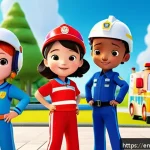
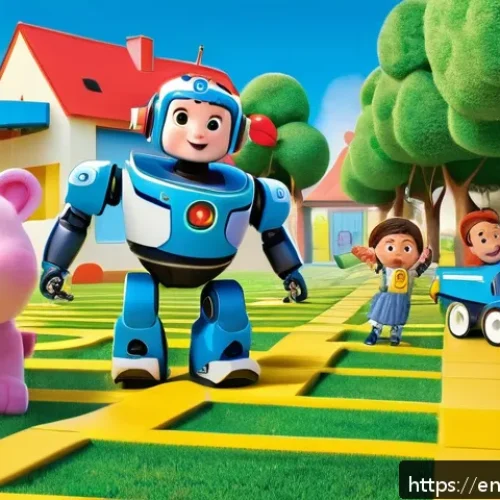
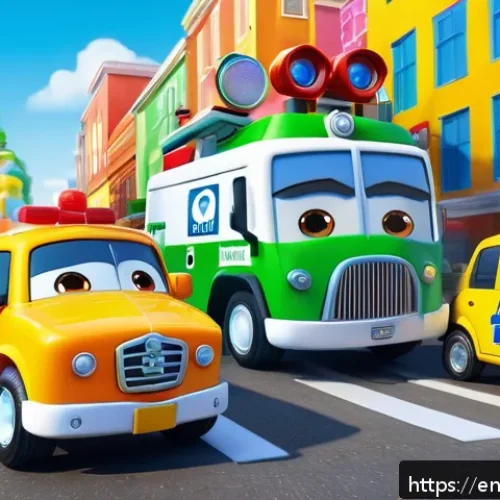
Hey there, fellow parents and toy enthusiasts! You know those adorable, dependable Robocar Poli rescue team members – Poli, Roy, Amber, and Helly – that bring so much joy to our little ones?

My own kids absolutely adore them, and honestly, who can blame them? These aren’t just any toys; they’re companions in countless imaginative adventures, surviving everything from epic rescues in the living room to daring missions in the bathtub.
But have you ever stopped to wonder about the incredible journey these beloved characters take before they land in your child’s eager hands? It’s a truly fascinating process that goes way beyond simply molding plastic.
We’re talking about meticulous design, cutting-edge manufacturing techniques, and some seriously strict safety protocols to ensure every single toy is perfect for play.
I’ve always been so curious about the intricate details behind our favorite everyday objects, and the world of toy production is just bursting with clever innovations, especially when it comes to creating something as durable and engaging as Robocar Poli.
It’s not just about the final product; it’s the whole story of bringing a beloved character to life safely and sustainably in today’s market. Ready to uncover the secrets?
Let’s dive in and accurately uncover exactly how these miniature heroes are made, step by fascinating step!
The Spark of Imagination: Where Every Hero Begins
Dreaming Up the Rescue Team: From Concept to Character
Sketching Joy: Bringing Initial Ideas to Life
It’s easy to think that toys just magically appear on shelves, isn’t it? But trust me, the journey of a Robocar Poli toy starts way, way before any plastic is molded.
It all begins with a spark of imagination, a core concept, and a whole lot of creative brainstorming. Imagine a room full of brilliant minds asking, “What kind of stories do kids love?
What values do we want to instill?” For Robocar Poli, it’s clear they wanted to create heroes who embody teamwork, courage, and a helpful spirit. This initial phase is absolutely crucial because it sets the emotional tone for the entire toy line.
It’s where the creators figure out what makes a character lovable, dependable, and truly heroic in the eyes of a child. They’re thinking about things like, “What kind of adventures will Poli embark on?” and “How can Roy teach kids about helping others?” My own kids, with their endless questions and imaginative play, have often made me wonder about these origins.
This isn’t merely drawing a pretty picture; it’s crafting a miniature universe where children can learn, grow, and explore. Every curve, every color choice, even the subtle expressions on their faces are meticulously planned to evoke specific feelings and encourage positive play behaviors.
It’s a testament to the power of storytelling, even in the realm of plastic fantastic. It’s about designing a character that resonates deeply and encourages meaningful, imaginative play, making the toy much more than just a piece of plastic.
Sculpting Dreams: From Digital Pixels to Tangible Heroes
Crafting in the Digital Realm: The Art of 3D Modeling
The First Touch: Prototyping and Refining
Once the concept and initial sketches are finalized, the magic really starts to take shape in the digital world. This is where those 2D drawings get transformed into incredible 3D models, giving our beloved characters depth and form.
I once visited a design studio (not toy-related, but the principle is similar!), and seeing how they meticulously sculpted digital models was absolutely eye-opening.
For Robocar Poli, imagine the designers painstakingly ensuring every line, every proportion, perfectly matches the animated series. It’s not just about looking good; it’s about making sure Poli *feels* like Poli when a child picks him up.
They use advanced software to create incredibly detailed digital models, iterating constantly, often for weeks or even months, to get every single detail just right.
Then comes the exciting part: 3D printing. Holding that first physical prototype must be such a thrill! It’s the moment the character literally leaps off the screen and becomes something you can touch and manipulate.
This stage is critical for assessing ergonomics, playability, and identifying any initial design flaws that might impact the toy’s final form or function.
They check how the joints move, how the parts fit together, and if it feels robust enough for enthusiastic play. My kids, bless their hearts, aren’t exactly gentle with their toys, so I really appreciate this level of detail and the multiple iterations it takes to achieve perfection.
Engineering Genius: Built to Endure Every Adventure
Choosing the Right Stuff: The Science of Toy Materials
Designing for Dynamic Play: Durability Meets Fun
Anyone who’s ever had a toy break after just a few plays knows how frustrating it is, right? This is precisely why the engineering phase for toys like Robocar Poli is so incredibly vital.
Manufacturers aren’t just picking any plastic off the shelf; they’re selecting specific grades of plastic that can withstand drops, bumps, and the endless adventures our kids put them through.
I remember a time my son accidentally sent his Poli flying down the stairs – my heart stopped for a second – but Poli emerged unscathed! That’s not luck; that’s thoughtful engineering and careful material selection.
They consider things like impact resistance, flexibility, and even how different parts will interact over thousands of cycles of play. For transforming toys, this means designing intricate mechanisms that are robust yet easy for little hands to operate.
It’s a delicate balance: durable enough to last, but also smooth and intuitive enough for a child to enjoy without frustration. They’re essentially building miniature machines designed to bring joy, and that requires some serious brainpower and material science know-how.
This deep dive into materials ensures the toy can handle the most imaginative, and sometimes chaotic, play scenarios.
| Material Type | Common Usage in Toys | Key Benefit |
|---|---|---|
| ABS Plastic (Acrylonitrile Butadiene Styrene) | Figurines, bricks, durable parts like Robocar Poli bodies | High impact resistance, toughness, good surface finish |
| PP Plastic (Polypropylene) | Play kitchen items, flexible parts, some vehicle bodies | Lightweight, good chemical resistance, flexible, often recyclable |
| PVC (Polyvinyl Chloride) | Soft dolls, bath toys, inflatable items | Flexible, soft feel (when plasticized), historically cost-effective |
| HDPE Plastic (High-Density Polyethylene) | Outdoor play equipment, some larger toy vehicles | Durable, weather-resistant, often used for larger molded pieces |
Guardians of Play: Rigorous Safety Protocols
Meeting Global Mandates: No Compromises on Child Safety
Beyond the Lab: Simulating Real-Life Play
Every parent knows that safety comes before anything else when it comes to toys. It’s not just a nice-to-have; it’s absolutely non-negotiable. For toys like Robocar Poli, they go through an astonishing battery of tests, far beyond what you might imagine.
We’re talking about drop tests, torque tests, tension tests, and even chemical analysis to ensure there are no harmful substances. My friend, who works in product compliance, once told me about the sheer volume of regulations toy manufacturers have to meet across different countries – it’s mind-boggling!
This isn’t just a box-ticking exercise; it’s a profound commitment to protecting our children. They simulate everything from a toy being chewed on to being submerged in water, to ensure it won’t break down or release anything harmful.
Small parts are tested meticulously for choking hazards, and sharp edges are a definite no-go. It’s truly comforting as a parent to know that these beloved characters undergo such rigorous scrutiny before they ever make it into our homes.
They want to ensure that every Robocar Poli toy is not just fun, but unequivocally safe for our little adventurers, giving us parents precious peace of mind.
The Assembly Line Ballet: Bringing Pieces to Life
Precision and Finesse: The Art of Toy Assembly
The Human Element: Ensuring Flawless Quality
This is where all those meticulously designed and tested parts finally come together to form the complete toy. It’s a bit like watching a beautifully choreographed dance on the factory floor, a fascinating blend of technology and human skill.
While automation plays a huge role in efficiency, especially for repetitive tasks, there’s still a significant human element involved, particularly when it comes to intricate assembly or detailed quality checks.
I’ve seen videos of modern manufacturing lines, and the level of precision is astounding. Parts are molded, sometimes painted with incredible detail, and then expertly assembled.

Think about Poli’s wheels, his transforming mechanisms, or Amber’s ladder – each piece has to fit perfectly and function flawlessly. It’s not just about sticking things together; it’s about ensuring every joint moves smoothly, every screw is tight, and every sticker is precisely placed.
Human eyes and hands are still essential for those final touches and for catching any minuscule imperfection that a machine might miss. This dedication to quality throughout the assembly process means that when your child unboxes their new Robocar Poli toy, it’s ready for action, just as the designers intended, ensuring lasting fun.
Playing Responsibly: The Drive for Sustainable Toys
Greener Choices: Materials and Manufacturing Footprint
Thoughtful Packaging: More Than Just a Box
As a parent, I’m increasingly aware of the environmental impact of everything we buy, and toys are no exception. It’s really encouraging to see toy manufacturers, including those behind Robocar Poli, embracing more sustainable practices.
This isn’t just about using recycled plastic, although that’s a fantastic start. It extends to optimizing manufacturing processes to reduce energy consumption and waste, and even rethinking packaging.
I love seeing brands that minimize excess plastic and use more recyclable or sustainably sourced cardboard for their boxes. It’s a thoughtful approach that shows they’re not just thinking about the immediate joy the toy brings, but also the world our children will inherit.
It truly makes me feel better about my purchases when I know the company is making a genuine effort to be responsible and considerate of the planet. It’s a small change in the grand scheme of things, but if every company adopted these practices, the collective impact would be huge, and that’s something worth cheering for and supporting as consumers.
The Last Mile: From Factory to Playtime Joy
Navigating the Supply Chain: Heroes on Their Way
That Unforgettable Unboxing: The Adventure Begins
After all the design, engineering, safety checks, and meticulous manufacturing, there’s still one crucial leg of the journey for our beloved Robocar Poli friends: getting them safely from the factory floor to your local toy store, or directly to your doorstep.
It’s a complex dance of logistics, involving careful packing, efficient warehousing, and strategic distribution to ensure that thousands of toys arrive intact and ready for their new homes.
Think about all the hands these toys pass through, each one playing a part in bringing that final moment of joy to a child. And what a moment it is! The excitement of spotting that familiar blue or red box on the shelf, the anticipation as you make your purchase, and then that ultimate thrill of tearing open the packaging at home.
I’ve seen my kids’ eyes light up so many times during an unboxing, and it’s truly the culmination of that entire intricate manufacturing process. It’s not just buying a toy; it’s bringing home a new adventure, a new friend, and countless hours of imaginative, joyful play, making all those careful steps worthwhile.
Wrapping Up Our Toy Tale
Wow, what a journey we’ve just taken, right? It’s truly incredible to peel back the layers and discover the sheer amount of thought, care, and dedication that goes into bringing something as seemingly simple as a Robocar Poli toy to life.
From that initial spark of an idea to the moment it lands in your child’s hands, every step is a testament to innovation and a deep understanding of what makes kids (and parents!) happy.
I honestly feel a newfound appreciation for every toy my kids play with, knowing the intricate dance of design, engineering, and safety that stood behind its creation.
It’s truly a marvel!
Handy Info for Savvy Parents
1.
Always check for safety certifications on toy packaging, like ASTM F963 in the US or the CE mark in the EU, to ensure they meet stringent quality and safety standards. These aren’t just fancy labels; they’re a promise that the toy has undergone rigorous testing for hazards like choking risks, chemical safety, and durability, providing you with precious peace of mind. Keeping an eye out for these marks is a simple yet effective way to verify that a toy is safe for your little adventurer, and as a parent, I totally get how vital that assurance is.
2.
Encourage imaginative play with even the simplest toys! You don’t always need the latest gadget. My kids can turn a cardboard box into a spaceship or a few blocks into an entire city, especially when they’re playing with their beloved Robocar Poli figures. Imaginative play is fantastic for cognitive development, boosting their creativity, social skills, and problem-solving abilities. It’s truly amazing how a child’s mind can transform ordinary objects into extraordinary adventures, helping them develop essential skills for life.
3.
Consider the toy’s materials and the brand’s commitment to sustainability. Many companies are now using recycled plastics, ethically sourced wood, or other eco-friendly alternatives. I always feel better supporting brands that are actively trying to reduce their environmental footprint, because it means they’re thinking about our children’s future, too. It’s not just about the toy itself, but the broader impact it has on the planet.
4.
Don’t underestimate the power of durable toys. While they might cost a bit more upfront, toys built to last through countless playtimes (and inevitable tumbles!) often offer better long-term value. Plus, a sturdy toy means fewer broken pieces ending up in landfills, contributing to a more sustainable lifestyle. From one parent to another, investing in quality really does pay off when you see those beloved toys withstand the test of time, and enthusiastic play.
5.
Regularly inspect your children’s toys for wear and tear. Loose parts, sharp edges, or peeling paint can develop over time, posing potential hazards. A quick check every now and then helps ensure that playtime remains safe and fun. It’s a small habit that can make a huge difference in keeping our little ones out of harm’s way, and I make it a point to do this with all of my kids’ most-loved playthings.
Key Takeaways for Thoughtful Play
When we choose toys for our children, it’s clear that we’re doing more than just picking something off a shelf; we’re investing in their joy, safety, and development.
My journey into understanding how Robocar Poli toys are made has truly reinforced for me that behind every successful and beloved toy lies an unwavering commitment to quality and safety.
Manufacturers, like the ones behind our favorite rescue team, are constantly innovating, not just in design but also in ensuring that materials are safe and processes are sustainable.
This dedication ensures that toys withstand the rigors of enthusiastic play while meeting incredibly strict global safety standards. As parents, our awareness and choices can genuinely drive the industry towards even greater heights of ethical production and environmental responsibility, making sure that our children’s play isn’t just fun, but also contributes to a brighter, healthier future for everyone.
It’s a wonderful thought, isn’t it, that our conscious decisions as consumers can truly make such a positive impact on the world of play and beyond.
Frequently Asked Questions (FAQ) 📖
Q: uestions
A: bout Robocar Poli Toy Production
Q: What are Robocar Poli toys actually made of, and why are those materials chosen?
A: Oh, this is such a great question, and it’s something I often wonder about with my kids’ favorite toys! When you pick up a Robocar Poli toy, you can really feel the quality, right?
That’s because they’re typically crafted from a combination of sturdy metal and high-quality, durable plastic. From what I’ve learned, the metal parts, often die-cast, give the toys that satisfying weight and feel that makes them so robust, perfect for all those imaginative crashes and rescues my little ones put them through.
The plastic components often use materials like ABS plastic, which is well-known in the toy industry for being impact-resistant and incredibly tough, meaning these heroes can survive countless drops and bumps.
You might also find polypropylene in some parts, which is another go-to for durability and ease of molding. Beyond just being tough, the choice of these materials is absolutely critical for safety.
Manufacturers go to great lengths to ensure these plastics and metals are non-toxic and safe for children, which honestly gives me so much peace of mind as a parent.
It’s a balance of making them last through endless play while keeping our kids safe.
Q: Can you walk me through the typical process of how a Robocar Poli toy goes from an idea to a finished product in my child’s hands?
A: It’s a truly fascinating journey, almost like a rescue mission in itself, but for toys! It all begins with meticulous design, often using advanced 3D modeling software where designers virtually sculpt every detail of Poli, Roy, Amber, or Helly.
Once the digital design is perfect, they create prototypes, sometimes using 3D printing, to test the functionality, look, and feel in the real world. This is where they fine-tune everything to make sure the toy moves just right and looks exactly like the characters we see on screen.
After prototyping, it moves into the manufacturing phase, where the magic of injection molding often comes into play for the plastic parts. Tiny plastic pellets are heated until they’re liquid, then injected into precisely crafted molds to form the various components of the toy.
It’s an incredibly precise process that allows for thousands of identical, high-quality parts to be made. For the metal parts, die-casting is used. Once all the individual pieces are formed, they go through assembly, painting, and detailing to bring the characters to life with their signature colors and expressions.
Finally, before any toy makes it to the shelves, it undergoes rigorous quality control and safety testing, which leads us perfectly into the next question!
Q: How are toy manufacturers ensuring the safety and quality of these toys for our children? It’s something every parent worries about!
A: Absolutely, it’s a top concern for all of us parents, and thankfully, toy manufacturers take it incredibly seriously! For Robocar Poli toys, just like any reputable children’s product, safety and quality control are integrated into every single step of production, not just at the end.
From the very beginning, all materials, whether it’s the plastic or metal, are rigorously tested to ensure they are non-toxic and free from harmful substances like lead or phthalates.
They literally check for heavy metals in raw materials before they’re even used! Beyond material safety, the physical design and construction of the toys are constantly assessed.
This means checking for things like sharp edges, small parts that could pose a choking hazard for younger children, and making sure everything is securely attached.
These toys must comply with strict international safety standards, like ASTM F963 in the United States, which is considered one of the highest standards globally.
Compliance is often verified by independent, third-party laboratories. So, when you see those Robocar Poli toys, know that countless checks and tests have gone into ensuring they’re not just fun, but incredibly safe for your little heroes to play with.
It truly gives us parents such peace of mind!